How to Choose the Best Free Chlorine Tester for Your Needs?
Choosing the right Free Chlorine Tester is essential for maintaining water quality. It can be challenging to find a suitable model, given the many options available. Testing free chlorine levels is crucial for ensuring safe swimming conditions. A reliable tester will provide accurate readings and help you avoid potential hazards related to poor water quality.
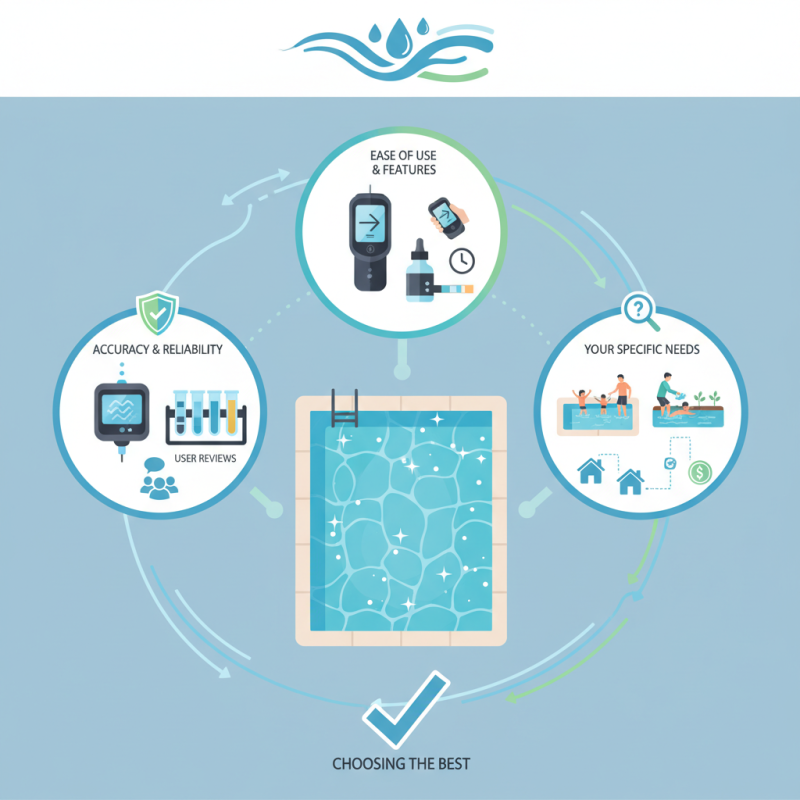
When selecting a Free Chlorine Tester, consider your specific needs. Different testers have unique features and functions. Some may offer digital displays while others use colorimetric methods. Each has its pros and cons. Recognizing what you value most can guide your choice effectively.
It's also important to consider reliability and ease of use. Not all testers deliver consistent results. User reviews can provide insights into a product's performance. However, remember that personal experiences vary. Prioritize finding a model that fits your lifestyle and requirements. Testing should be straightforward, not another source of frustration.
Understanding Free Chlorine and Its Importance in Water Testing
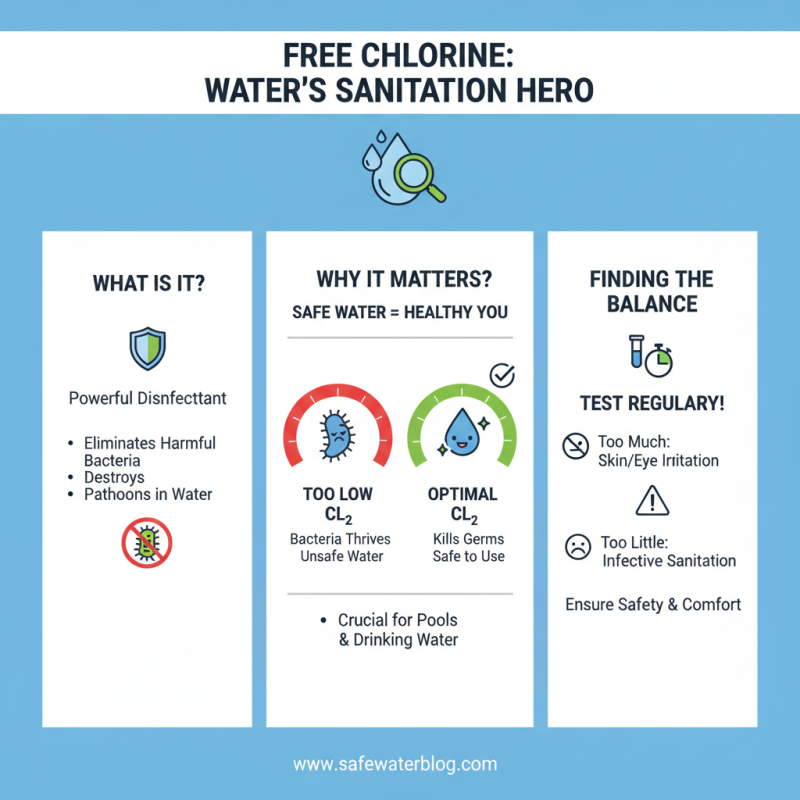
Free chlorine is vital for effective water sanitation. It acts as a disinfectant, eliminating harmful bacteria and pathogens. Maintaining the right level is crucial for safe swimming pools and drinking water. Too little free chlorine allows bacteria to thrive. Too much can irritate the skin and eyes. Understanding these levels helps ensure safety and comfort.
Testing for free chlorine is straightforward. Many methods exist, such as test strips, liquid reagents, and digital testers. Each method has its pros and cons. For accuracy, liquid reagents are often preferred, but they may require more effort. Test strips are quick and easy to use but can be less reliable. Digital testers offer precision, yet they can be costly. Consider what suits your needs best.
Regular testing should not be overlooked. Neglecting it can lead to problems. Check your water regularly, especially in changing weather conditions. Trustworthy testing tools can help you maintain the right chlorine levels. The goal is clean, safe water for everyone. Making informed choices about testing can significantly improve your water quality.
Types of Free Chlorine Testers Available in the Market
When considering free chlorine testers, it's essential to explore the various types available in the market. Two primary categories are DPD testers and test strips. DPD testers use a colorimetric method. They provide precise readings and are reliable for pool and spa maintenance. According to industry reports, DPD testers can detect free chlorine levels from 0.1 ppm to 10 ppm. This accuracy is crucial for ensuring safe water conditions.
Test strips, on the other hand, offer a more convenient, yet less precise method. These strips change color when dipped in the water, indicating chlorine levels. They are affordable and easy to use, making them a popular choice for casual users. However, their reliability has been questioned. Studies reveal that results can vary widely due to factors like water temperature and pH levels. Thus, while they are handy, they may not always provide the most accurate readings.
It's also essential to consider digital testers. These devices are becoming increasingly popular due to their ease of use and reproducibility. They can often measure multiple parameters at once. However, they typically come at a higher price point. A report showed that while digital testers result in fewer human errors, they require calibration and maintenance, which can be a hassle. This complexity may deter some users from opting for digital options.
Key Features to Look For in a Chlorine Tester
Choosing the right chlorine tester is crucial for maintaining safe water quality. Key features can make a significant difference in the accuracy and usability of these tools. Look for testers with clear display screens. A bright, easy-to-read screen helps you quickly check the chlorine levels. Automatic calibration features are also beneficial. They ensure accurate readings without manual adjustments.
Consider the testing range. A good tester should measure both free and total chlorine. This versatility allows you to monitor your water more effectively. Digital testers often provide quicker results than traditional colorimetric methods. Look for rapid response times to save you time during testing.
Tips for selecting a tester: Check user reviews for reliability and accuracy. Take note of the battery life as well, since frequent replacements can be inconvenient. Don't overlook portability; a compact design is easier to use and store. Finding a chlorine tester that fits your specific needs may take time. It’s a trial and error process, but worth it for effective water management.
Chlorine Tester Accuracy vs. Price
Evaluating Accuracy and Reliability of Chlorine Testers
When selecting a free chlorine tester, accuracy is paramount. A reliable tester must provide precise measurements. Inaccurate results can lead to improper water treatment, affecting health and safety. Consider testers that use colorimetric methods; they often deliver reliable readings. Moreover, assess the calibration frequency of the device. Poorly calibrated testers yield questionable results.
Beyond accuracy, evaluate the tester's consistency. A tester should produce similar results under identical conditions. Look for independent reviews that discuss long-term reliability. Users often share insights on how a tester performed over time. A consistent performer helps maintain optimal water quality.
Reflect on ease of use, too. A complicated device might lead to user errors. Simple operation can enhance accuracy since users are more likely to follow procedures correctly. Note that user experience varies. Some testers may frustrate beginners but work well for seasoned users. Evaluate how a tester fits into your routine before making a decision.
Comparing Prices and Value: Finding Cost-Effective Solutions
When it comes to selecting a free chlorine tester, price and value are crucial. Many testers vary wildly in cost, but higher prices don’t always guarantee accuracy. It’s essential to balance affordability with quality. Look for testers that provide clear readings and are user-friendly. However, cheaper options can sometimes lack essential features. Read reviews cautiously, as not all users have the same experience. Some testers may operate well initially but falter over time.
Consider what you need before making a choice. Testers designed for pools may be different from those for aquariums. Functionality is vital. You might encounter testers that work for one purpose but not another. Investing in a versatile tester can save money in the long run. Still, reflect on how often you’ll use it. A tester for occasional use may not require high investment.
Don’t forget the importance of calibration and maintenance. Some affordable testers may require more frequent checks. Regular maintenance can eat into savings. Be mindful of this factor. In the end, finding the best free chlorine tester involves weighing all aspects thoughtfully.





 Contact WhatsApp
 Contact Phone
 Contact Email