Top 5 Best Oxygen Analyzers for Accurate Measurement and Monitoring?
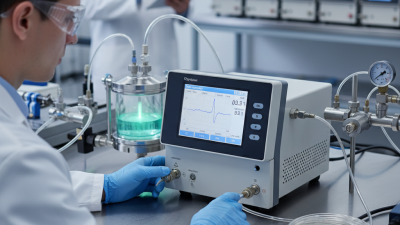
In various industries, precise measurement of oxygen levels is critical. An effective Oxygen Analyzer can make a significant difference. It ensures safety, compliance, and optimal performance in applications like healthcare, environmental monitoring, and manufacturing. Choosing the best oxygen analyzer requires attention to accuracy, reliability, and ease of use.
Many products claim to offer high accuracy, but not all live up to their promises. Some models lack durability or face calibration issues. Users should be cautious of these drawbacks. A good analyzer should have robust features and specifications to withstand demanding conditions.
Understanding your specific needs is crucial when selecting an oxygen analyzer. Factors like measurement range and response time will influence your choice. Your decision should be backed by thorough research and expert reviews. In this guide, we explore the top five oxygen analyzers that stand out in performance and reliability.
Top Features to Look for in an Oxygen Analyzer for Precision Measurements
When selecting an oxygen analyzer, precision is paramount. Understanding key features can significantly enhance measurement accuracy. For instance, sensor technology plays a critical role. Solid-state sensors offer improved stability and faster response times compared to older models. According to a recent industry report, solid-state sensors can achieve a response time of less than 10 seconds.
Calibration is another essential aspect. Regular calibration ensures ongoing accuracy. However, many users often overlook this step. It's vital to regularly verify the calibration against known standards. The need for frequent calibrations is highlighted in studies that show a 15% measurement drift in uncalibrated devices over time. Invest in a device that alerts users for scheduled calibrations.
Tips for choosing an oxygen analyzer: Always check the range of measurement. Some devices excel at low levels, while others perform better at higher concentrations. Ensure your choice matches your specific application requirements. Consider portability if measurements need to be taken in various locations. Many analyzers now provide compact designs without sacrificing performance. Remember, a dependable oxygen analyzer does not exist in isolation; its maintenance also plays a crucial role in sustained accuracy.
Understanding the Calibration Methods Used in High-Quality Oxygen Analyzers
Calibration methods play a critical role in ensuring the accuracy of oxygen analyzers. High-quality devices typically employ several calibration techniques, each contributing to precise measurements. Common methods include zero and span calibration, where the device is calibrated against known oxygen concentrations. According to a report by the Measurement Science and Technology journal, over 75% of oxygen analyzer inaccuracies arise from improper calibration procedures.
Regular calibration using standard gases is essential. Inaccurate readings can lead to safety hazards in various industries, from healthcare to manufacturing. A recent study highlighted that over 40% of facility accidents were linked to environmental monitoring failures. This indicates an alarming trend where many organizations lack effective calibration programs, raising questions about their monitoring practices.
Moreover, optical calibration techniques, such as paramagnetic sensors, are gaining traction. These methods can improve response times and reduce maintenance needs. Yet, implementing them requires investment and understanding. As technology evolves, staying updated with these practices is vital. Ignoring the importance of proper calibration not only jeopardizes equipment performance but also the well-being of individuals relying on accurate oxygen levels.
A Comparative Analysis of Sensor Technologies in Oxygen Measurement Devices
When it comes to accurate oxygen measurement, sensor technology plays a crucial role. Various sensor types, including electrochemical, zirconia, and photometric sensors, are commonly used. Each technology offers unique advantages and limitations. For example, electrochemical sensors are often cost-effective and provide reliable measurements. However, they may require regular calibration and can be affected by temperature changes.
Zirconia sensors, on the other hand, are known for their high-temperature stability and long lifespan. They work well in harsh environments but are typically more expensive. Photometric sensors utilize light absorption techniques, offering great precision. Yet, their performance can be impacted by particulate matter in the air.
Analyzing these technologies reveals a trade-off between accuracy, cost, and maintenance requirements.
In choosing the right oxygen analyzer, it’s essential to consider the intended application. Medical, industrial, and environmental monitoring all have different demands. For instance, a medical environment might prioritize precise readings and quick response times. Industrial applications might focus on durability and lower costs. Understanding these parameters helps in selecting the best sensor type for specific needs.
Industry Applications: Where Accurate Oxygen Monitoring is Crucial
Accurate oxygen monitoring is critical across various industries. In medical settings, oxygen analyzers ensure patients receive the right oxygen levels. This precise measurement can be life-saving. In manufacturing, oxygen levels can affect product quality. Industries like food packaging rely on controlled oxygen environments to preserve freshness and safety.
In the oil and gas sector, oxygen monitoring is vital for preventing hazardous situations. Elevated oxygen levels can lead to combustion risks. Therefore, reliable oxygen analyzers are a necessity in such environments. Furthermore, in laboratories, experiments often require specific oxygen concentrations. Accurate measurement is essential for valid results.
Despite advancements, some challenges remain. Not all oxygen analyzers perform equally in varying conditions. Calibration can pose difficulties. Additionally, unexpected environmental factors may alter readings. Regular maintenance is crucial to ensure accuracy. Users must also be educated to interpret data correctly. This helps in making informed decisions based on the readings.
Evaluating Cost vs. Performance in the Best Oxygen Analyzers on the Market
When selecting an oxygen analyzer, cost and performance are key considerations. Many devices offer a range of measurements and functionalities. However, the price does not always reflect quality. Some lower-priced models perform admirably in real-world conditions, while higher-priced options may have features that go unused. This discrepancy can lead to wasted investment.
In practice, the best oxygen analyzers should provide reliable and accurate readings. Users often prioritize ease of use and quick calibration over advanced features. A more complex model might seem appealing, but if it complicates routine checks, it may not be worth the cost. Durability also plays a vital role. An analyzer that requires frequent repairs can lead to ongoing costs that mitigate initial savings.
While examining options, users should focus on necessary specifications. Critical parameters include response time, sensitivity, and whether the device can operate in their specific environment. It’s essential to weigh these factors against the budget. Opting for the cheapest model could lead to frustration later. This unpredictability highlights the importance of evaluating real user experiences, rather than solely relying on marketing claims.





 Contact WhatsApp
 Contact Phone
 Contact Email