How to Choose the Best Water pH Sensors for Accurate Testing?
Choosing the right water pH sensors is essential for accurate testing. Water pH sensors play a critical role in various applications, from aquariums to agriculture. Accurate pH readings can determine the health of aquatic life and the viability of crops.
When selecting water pH sensors, consider their sensitivity and range. Sensors should accurately measure a wide pH range for diverse environments. Look for reliable brands known for their quality. User reviews can provide insights into performance and durability.
It’s crucial to acknowledge that no sensor is perfect. Users often face calibration issues or drift in readings over time. Regular maintenance is necessary for consistent performance. Trustworthy testing results depend on using high-quality water pH sensors and proper handling techniques.
Understanding the Importance of pH Levels in Water Testing
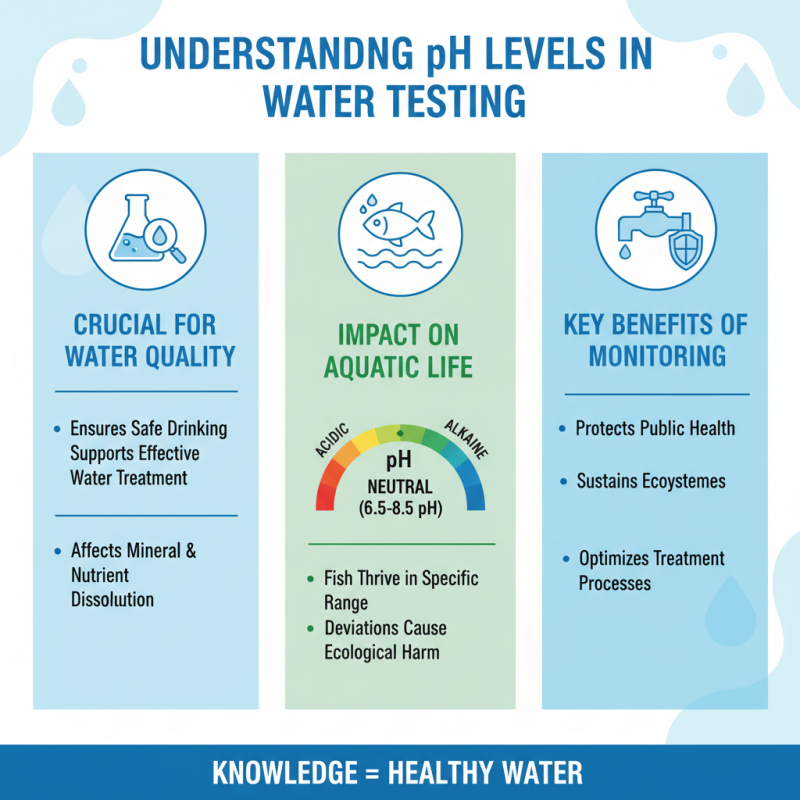
pH levels play a crucial role in water quality testing. Understanding these levels helps ensure safe drinking water and effective water treatment processes. Water's pH affects how well it can dissolve minerals and nutrients. This has a direct impact on aquatic life. For instance, fish and other organisms thrive in a certain pH range. Deviations can lead to serious ecological consequences.
Regular testing helps identify pH fluctuations. These variations may stem from pollution, agricultural runoff, or natural changes. It is essential to recognize that pH is not static. Factors like temperature and the presence of organic material can influence readings. Relying solely on a single measurement may be misleading. Consistent monitoring over time provides a clearer picture of water quality.
Choosing the right pH sensor is key. Accuracy and reliability are paramount. Devices can differ in responsiveness and calibration needs. Some may require frequent adjustments, while others can offer stable readings over extended periods. Understand the specific requirements of your testing scenarios. A mismatch can lead to poor decisions and significant consequences. Always reflect on the data gathered, and remain open to adapting methods for better outcomes.
Types of Water pH Sensors Available in the Market
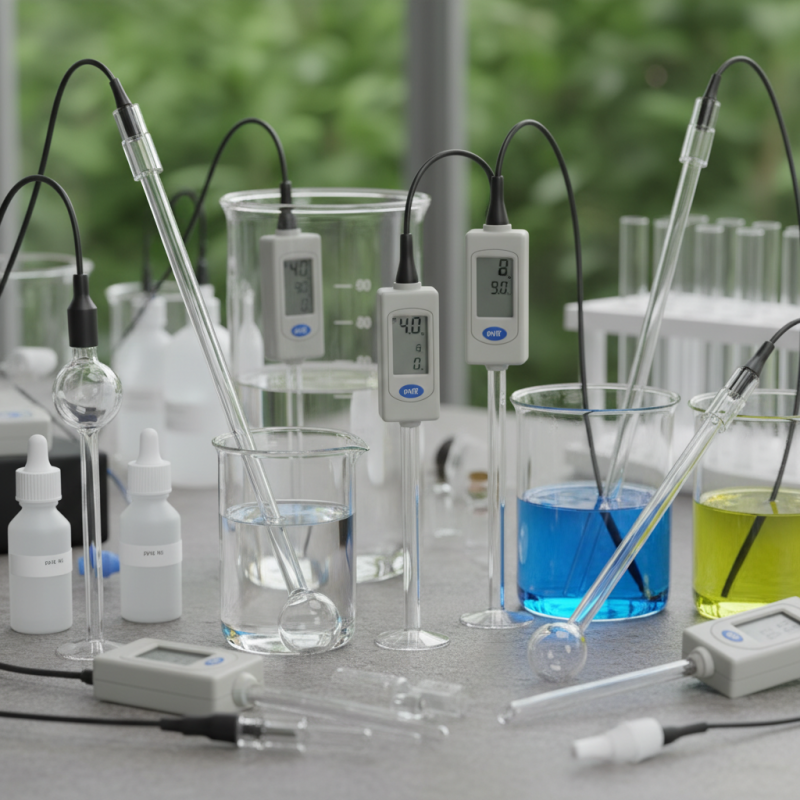
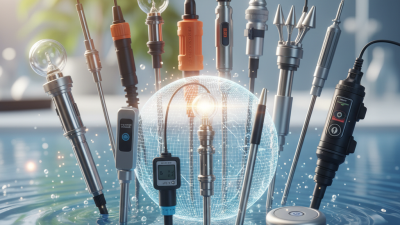
When selecting water pH sensors, it’s vital to understand the types available. Different applications require distinct features. Glass electrodes are common in laboratories. They offer high accuracy and respond quickly. However, they can be fragile and may need careful handling.
Another type is solid-state sensors. These devices are durable and less affected by environmental conditions. They are suitable for continuous monitoring in various settings. While they lack the precision of glass electrodes, they work well for general testing.
Lastly, consider the design of the sensor. Some sensors are designed for specific applications, such as aquariums or hydroponics. Each has unique requirements. It’s essential to evaluate your testing needs. This ensures you choose a sensor that meets your accuracy standards. Finding the right balance between durability and precision is crucial.
Water pH Sensors Types and Accuracy Comparison
Key Features to Consider When Choosing pH Sensors
When selecting a pH sensor for accurate water testing, several key features warrant close attention. Firstly, the sensor's accuracy is critical. Industry reports indicate that the best sensors offer a precision of ±0.01 pH. This level of accuracy is crucial for applications ranging from aquaculture to wastewater treatment. Failing to choose a precise sensor can lead to incorrect assessments, which may impact overall water quality management.
Another important feature is the response time. Optimal sensors should deliver results within a few seconds. According to research conducted by analysts at Water Quality Reports, a sensor that takes longer than 10 seconds may hinder timely decision-making. Additionally, look for sensors with robust construction materials. Durability in harsh environments is vital. A sensitive or poorly constructed sensor can fail, leading to inaccurate readings.
Calibration frequency is also significant. Some sensors require daily calibration while others may operate efficiently for weeks without adjustment. A sensor that demands frequent calibration may not be ideal for continuous use. Review reports suggest that ease of use and maintenance play a large role in sensor effectiveness over time. Systems that are complex or cumbersome can lead to user errors and data inconsistencies.
Calibration and Maintenance Requirements for pH Sensors
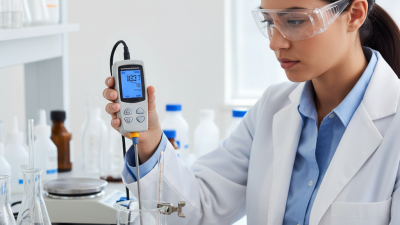
When choosing a pH sensor, understanding calibration and maintenance is crucial. A well-calibrated sensor can have an accuracy rate of up to 97%, according to industry reports. Regular calibration, ideally after every 30 uses, ensures reliability. This process involves using buffer solutions at known pH levels. You should have at least two calibrations: one at neutral pH (7) and another at either extreme (4 or 10). This approach delivers precise readings and increases the sensor's lifespan.
Maintenance is often overlooked, yet it’s essential. Rinsing the electrode with distilled water after each use prevents cross-contamination. Sensors should also be stored correctly, typically in a buffer solution. This step reduces the risk of drying out, which can impair functionality. Keeping sensors in optimal conditions can extend operational life by 20-30%. However, even with proper care, sensors may need replacement after one to two years, depending on usage.
Not every sensor performs similarly over time. Environmental factors such as temperature and pressure can impact accuracy. It’s also vital to observe the sensor's response time, which can vary. Regular checks ensure you're aware of performance dips. This knowledge empowers users to troubleshoot or decide when to invest in a new sensor.
Comparing Accuracy and Cost-Effectiveness of Different Sensors
When choosing water pH sensors, accuracy and cost-effectiveness are crucial factors. Accuracy directly impacts water quality assessments and subsequent actions. Reliable sensors provide consistent readings, ensuring that your measurements reflect true water conditions. Look for features like temperature compensation, as pH levels can fluctuate with changes in temperature. Many users undervalue this aspect, leading to potential misinterpretations.
Cost-effectiveness goes beyond the sticker price. A cheaper sensor might save money upfront but can incur higher costs later due to maintenance and replacement. Investing in a well-built sensor can enhance longevity and reliability. Some sensors may require frequent calibration, which can add to long-term expenses. Evaluating total cost of ownership is vital.
It's worth noting that affordability should not sacrifice accuracy. Users often find themselves in a dilemma. Balancing budget constraints with the need for precision feels challenging. Exploring options and conducting thorough comparisons can help. A more expensive sensor might deliver better results in the long run, while an economical choice may seem appealing but could compromise performance. Take the time to research thoroughly, as the right decision impacts both water quality and overall satisfaction.
How to Choose the Best Water pH Sensors for Accurate Testing?
| Sensor Type |
Accuracy (pH units) |
Price Range (USD) |
Durability (Years) |
Use Case |
| Glass Electrode |
±0.01 |
$50 - $150 |
2 - 3 |
Laboratory Testing |
| ISFET Sensor |
±0.2 |
$20 - $100 |
1 - 2 |
Field Measurements |
| Combination Electrode |
±0.05 |
$75 - $200 |
2 - 4 |
Industrial Use |
| Solid-State Sensor |
±0.1 |
$30 - $80 |
3 - 5 |
Environmental Monitoring |
| Hybrid Sensor |
±0.05 |
$60 - $120 |
4 - 6 |
General Purpose |





 Contact WhatsApp
 Contact Phone
 Contact Email