Why Choose the Best Pool Water Tester for Your Needs?
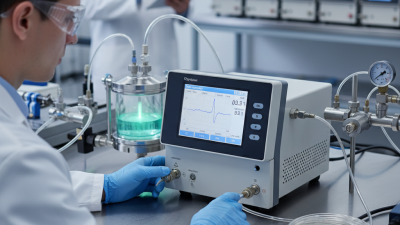
When it comes to maintaining a safe and enjoyable swimming environment, the choice of a Pool Water Tester is crucial. Expert Kevin Waters, a noted figure in water quality analysis, once stated, "The right pool water tester empowers pool owners to ensure clean and balanced water." This highlights the significance of selecting an appropriate tool tailored to your specific needs.
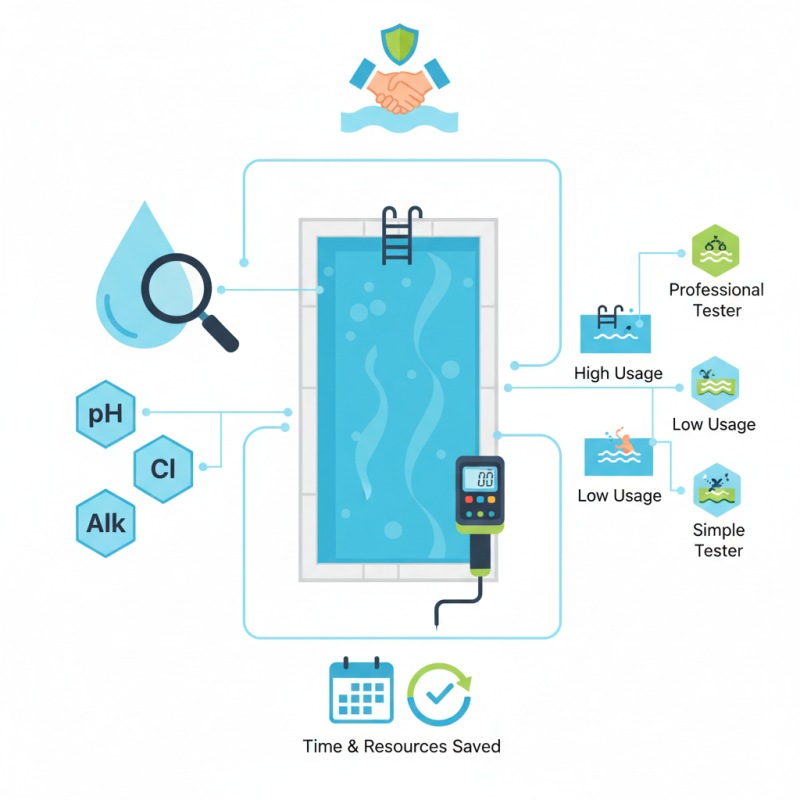
A quality Pool Water Tester can help detect chemical imbalances. It can measure pH levels, chlorine, and alkalinity with precision. However, not all testers are created equal. Some may lack accuracy or require complex procedures. Understanding these differences can save time and resources in the long run. A pool should be a sanctuary, not a source of stress.
Moreover, each pool owner has unique requirements. Factors like pool size, usage frequency, and local climate can influence your choice. Picking a tester that aligns with your lifestyle can make a significant difference. It may take some effort to find the right fit, but the benefits are worth it. A good Pool Water Tester enhances your ownership experience and ensures safety for your loved ones.
Understanding the Importance of Accurate Pool Water Testing
Accurate pool water testing is essential for maintaining a safe and enjoyable swimming environment. Regular testing helps detect imbalances in pH, chlorine, and other important chemicals. Without this knowledge, swimmers may face health risks. Algae growth can thrive in untreated water, making pools unsightly and unsafe.
Using a reliable pool water tester makes a significant difference. The right equipment can detect even the slightest changes in water quality. Those tiny fluctuations can lead to major problems if ignored. However, not all testers are the same. Some may produce inconsistent results, causing unnecessary anxiety or complacency. It’s crucial to choose a tester that provides trustworthy readings.
Consider the factors that affect water quality regularly. Weather conditions, bathers, and organic debris can all impact your pool. Consistent testing empowers pool owners to act promptly and effectively. This proactive approach can save money and ensure your pool remains a safe oasis. Investing in effective testing methods is non-negotiable for maintaining a pristine swimming environment.
Key Features to Look for in a Pool Water Tester
Choosing the right pool water tester is crucial for maintaining water quality. A reliable tester ensures safe swimming conditions. According to a recent industry report, nearly 75% of pool owners experience varying water chemistry issues. Selecting a tester with accurate pH and chlorine readings is essential. Accuracy can affect overall pool safety and user comfort.
When evaluating pool water testers, consider the testing speed. Some testers provide results in seconds, while others may take minutes. A faster response time allows for quick adjustments before swimming. Battery life is also important. Regular replacements can add to maintenance costs, and lengthy tests can lead to user frustration.
Portability is another key feature. Compact models are easier to use, especially for larger properties. Additionally, durability matters. A tester that can withstand splashes, chlorine exposure, and outdoor elements will last longer. Some features may seem attractive yet are seldom used. Reflecting on what truly benefits your routine is vital for making an informed choice.
Water Testing Methods Comparison
This chart compares various pool water testing methods based on accuracy, ease of use, cost, and time required for results. Choose the best method that aligns with your needs for optimal pool maintenance.
Types of Pool Water Testers: Which is Right for You?
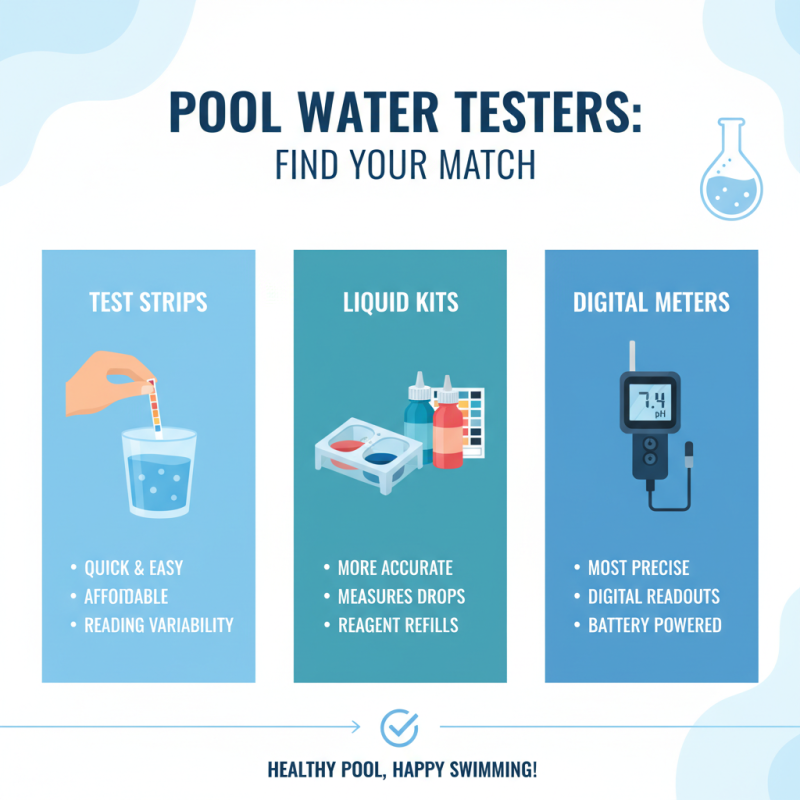
Choosing the right pool water tester is crucial for maintaining a healthy swimming environment. There are several types available, each with its unique benefits. Test strips are popular for their convenience. They offer quick results and are easy to use. However, accuracy can vary, especially if not used correctly.
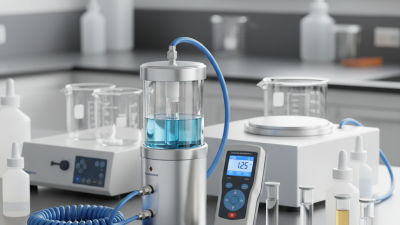
Liquid reagents are another option. They require a bit more effort and expertise but provide more precise measurements. Users must follow the instructions carefully. Digital testers represent a more advanced choice. They offer quick and accurate results, making them suitable for pool owners who want reliability. The trade-off is often a higher price.
Tips: Always calibrate your digital tester before use. This ensures accuracy in your readings. Store test strips in a cool, dry place to avoid degradation. Regularly check the expiration dates on your testing supplies. Neglecting this can lead to inaccurate results and safety issues.
How to Interpret Pool Water Test Results Effectively
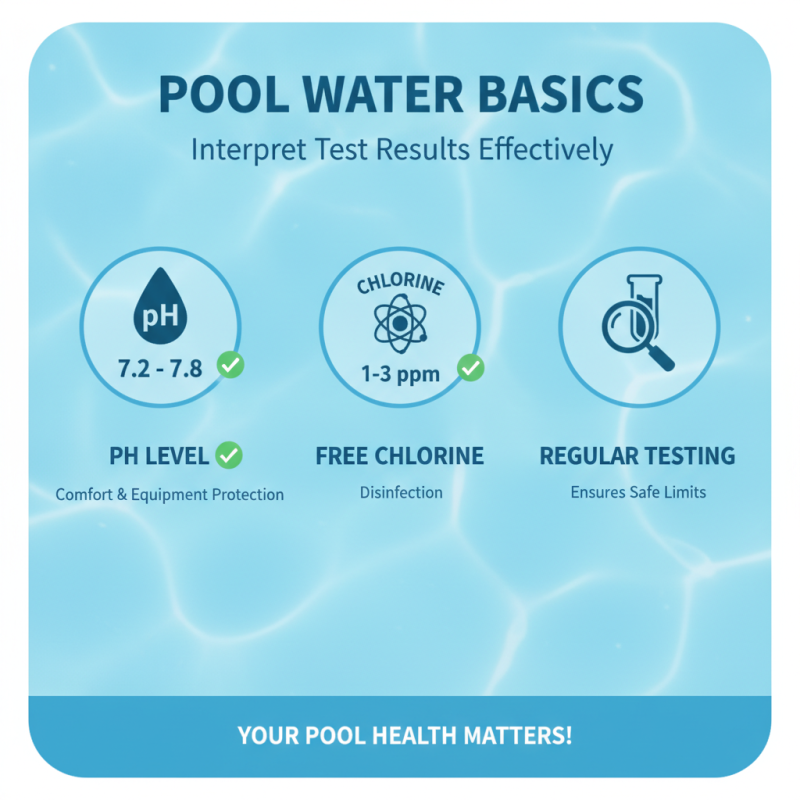
When interpreting pool water test results, accuracy is crucial. Testing your pool water provides key insights into its quality. For example, the ideal pH level for pool water ranges from 7.2 to 7.8. A slight imbalance in this range can lead to discomfort or even equipment corrosion. Moreover, maintaining a free chlorine level of 1-3 ppm is essential for effective disinfection. Regular testing helps ensure these parameters are within safe limits.
Consider the total alkalinity, another critical factor. The optimal range is 80-120 ppm. If it's too low, the pH can fluctuate wildly, leading to water quality issues. Conversely, high alkalinity can make it challenging to control pH levels. According to a report by the Water Quality & Health Council, nearly 40% of pool owners neglect these tests. This often results in cloudy water or increased bacteria levels.
Keep a record of your test results. Patterns often emerge when you track the data. Perhaps your pH regularly spikes after heavy rain. This insight allows proactive adjustments. Relying solely on visual assessments isn't enough. It's easy to miss subtle changes. You might overlook issues until they become significant. Frequent testing ensures you catch these issues early. Trusting data instead of assumptions leads to a healthier swimming environment.
Maintaining a Healthy Pool: The Role of Regular Testing
Regular testing of pool water is essential to maintain a healthy swimming environment. Poor water quality can lead to various health issues. According to the Centers for Disease Control and Prevention (CDC), approximately 1 in 8 people who swim in public pools experience pool-related illnesses. This includes gastrointestinal and skin infections, primarily due to inadequate water testing and treatment.
Using high-quality pool water testers can help prevent these problems. These testers analyze pH levels, chlorine, and other chemical balances. According to industry research, maintaining proper pH levels between 7.2 and 7.8 can significantly reduce the risk of skin irritation and infections. Many pool owners neglect to test water regularly, leading to over-chlorination or imbalanced pH levels, which can be harmful.
Incorporating a routine testing schedule can enhance pool safety. Regular testing allows for timely adjustments, reducing chemical waste and improving water clarity. Every aspect of healthy pool management hinges on accurate water testing. Pool owners should strive for better practices while reflecting on their current methods. A commitment to regular checks not only enhances safety but also ensures a more enjoyable swimming experience. Understanding these factors emphasizes the importance of choosing the best water testing solutions available.





 Contact WhatsApp
 Contact Phone
 Contact Email