How to Choose the Best Water Testing Equipment for Your Needs?
Choosing the right Water Testing Equipment is crucial for both professionals and homeowners. According to Dr. Emily Sanders, a leading expert in water quality research, “The right tools can make a significant difference in ensuring safe water.” Her insights highlight the importance of selecting suitable equipment tailored to specific needs.
Water quality can vary drastically from one location to another. For instance, rural areas may face unique challenges compared to urban environments. Factors such as pollutants, pH levels, and mineral content should be considered. Every testing journey must start with understanding these variables.
Moreover, many may overlook the calibration and maintenance of their Water Testing Equipment. Neglecting these aspects can lead to inaccurate results. Engaging with credible sources and professionals can help guide users in improving their testing process. Investing time in research can yield significant benefits in ensuring water safety.
Understanding the Importance of Water Testing Equipment in Your Area
Water quality directly impacts health. Understanding its importance is crucial. Local sources can contain bacteria or chemicals. Testing equipment helps identify these issues. It ensures safe drinking water and healthy living conditions.
When selecting water testing equipment, consider local contaminants. Groundwater may have different pollutants than surface water. Assess your area's specific needs. Look for testers that measure pH, heavy metals, or bacteria. These parameters provide essential insights.
Tips: Always consult local health guidelines. They can highlight common contaminants in your region. Take time to familiarize yourself with the equipment. Instructions may seem complex but are crucial. It’s okay to seek help if you're unsure. Prioritize reliability in your testing methods. Compatibility with your water source is essential.
Identifying the Types of Water Contaminants You Need to Test For
When selecting water testing equipment, it is crucial to identify the types of contaminants present in your water supply. More than 70% of U.S. water sources contain some form of contamination, according to the Environmental Protection Agency (EPA). Common pollutants include heavy metals like lead and arsenic, microbes like bacteria, and chemical toxins like pesticides. Understanding these contaminants will help tailor your testing needs effectively.
For example, if you live near agricultural areas, testing for pesticides is essential. The Centers for Disease Control and Prevention (CDC) warns about the risk of pesticide runoff into groundwater, making thorough testing a necessity for safe drinking water. Additionally, urban areas might pose risks from heavy metals due to aging plumbing systems. A study from the Water Research Foundation found that lead levels can vary significantly across neighborhoods, making individual assessments important.
Microbial contamination is another critical area to consider. The World Health Organization (WHO) estimates that waterborne diseases account for millions of illnesses annually. Testing for coliform bacteria and E. coli must not be overlooked. Having the right equipment is necessary, but ensuring that it provides accurate results is equally vital. Equipment must be tested and certified to comply with relevant health standards, enhancing reliability in your findings.
Water Contaminants Testing: Comparison of Common Types
This chart illustrates the concentrations of common water contaminants that one might consider testing for when selecting water testing equipment. Understanding these levels can help in determining the necessary tests based on specific water quality concerns.
Evaluating Different Water Testing Methods and Their Accuracy
Choosing the right water testing method is crucial. Different techniques vary in accuracy and application. For instance, colorimetric tests can give quick results but may lack precision. They often rely on subjective interpretation. Comparatively, titration methods provide detailed analysis but demand more time and skill.
According to the EPA, test kits can differ significantly. Microbiological tests require strict protocols. A 2021 report noted that 60% of kits failed to detect pathogens accurately. In contrast, advanced digital sensors offer real-time data. These devices connect to apps for easy monitoring but can be costly.
Understanding these differences helps in making informed choices. Consider your specific needs, budget, and the level of expertise available. Many users find that a combination of methods balances convenience and accuracy. Regularly reviewing your chosen method is essential. Over time, water quality may change, influencing testing needs.
How to Choose the Best Water Testing Equipment for Your Needs?
| Testing Method |
Accuracy |
Ease of Use |
Cost |
Best For |
| pH Test Strips |
±0.2 pH |
Very Easy |
$10-$20 |
Quick pH Check |
| Digital pH Meter |
±0.01 pH |
Moderate |
$50-$150 |
Accurate pH Measurements |
| Turbidity Meter |
±2 NTU |
Moderate |
$100-$500 |
Water Clarity Check |
| Total Dissolved Solids (TDS) Meter |
±10 ppm |
Easy |
$15-$100 |
Measuring Water Purity |
| Water Quality Test Kits |
Varies |
Easy |
$30-$120 |
Testing Multiple Factors |
Comparing Portable vs. Laboratory Water Testing Equipment
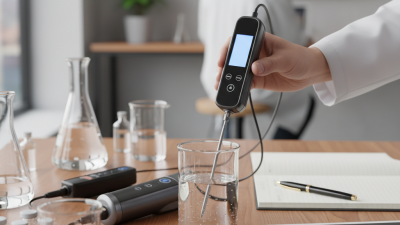
When selecting water testing equipment, it's vital to consider your specific needs. Portable water testing devices offer convenience and flexibility. They allow for on-site testing, making them ideal for fieldwork. Many users appreciate their ease of use. However, the accuracy can sometimes vary based on the model and environmental factors. Investing in high-quality portable equipment can help mitigate these issues.
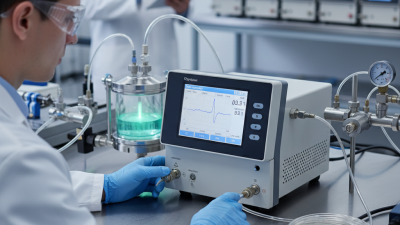
On the other hand, laboratory water testing equipment is known for its precision. These systems often use advanced techniques for detailed analysis. Though less convenient for field use, they provide comprehensive data. If accuracy is crucial for your project, laboratory equipment is worth considering. However, setting up a lab may require substantial investment.
Reflecting on the trade-offs between portability and precision is essential. Portable devices provide immediate feedback, but may lack the depth of lab testing. Conversely, lab equipment is reliable but may delay results. Balancing these factors is key to making an informed decision that aligns with your specific testing needs.
Budgeting for Water Testing Equipment: Costs and Maintenance Considerations
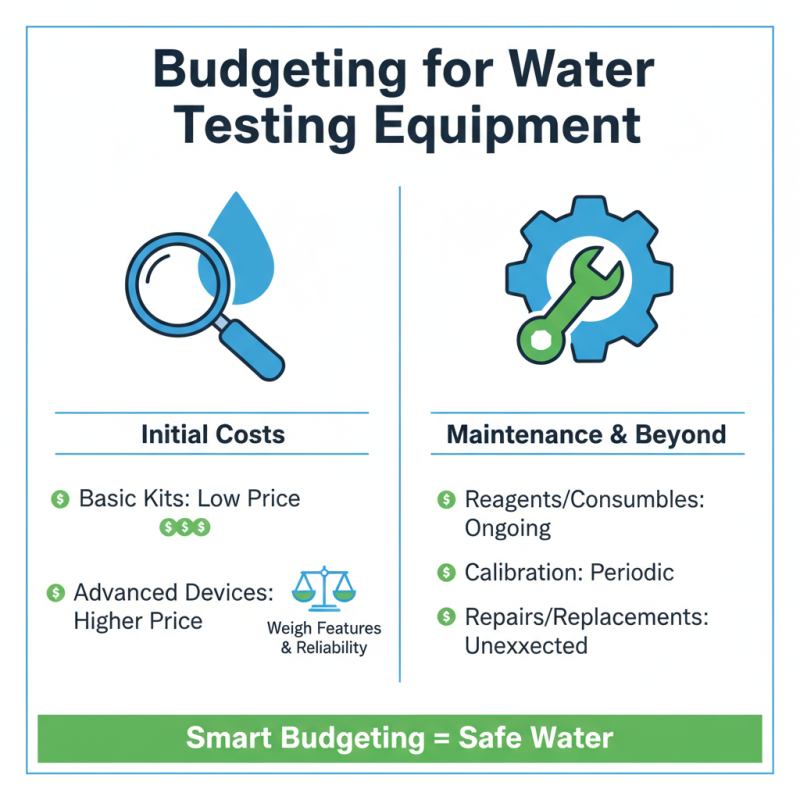
Purchasing water testing equipment involves multiple considerations, particularly when budgeting. The initial cost can vary based on equipment type. Basic kits may start at a low price point. Advanced devices, however, can be considerably more expensive. It's essential to weigh these prices against the features and reliability of the equipment.
Maintenance is another crucial factor. Regular calibration ensures accuracy but adds to the overall cost. Some equipment requires specific maintenance practices, which can lead to additional time and expenses. Users should also consider consumables, like reagents or test strips. These recurring costs can accumulate over time and affect your budget.
In the long run, opting for reliable equipment might save money. Investing in quality can reduce the frequency of replacements and repairs. Reflecting on your testing needs can also illuminate whether you truly need advanced features. Ensure that your budget aligns with your actual requirements. Balancing quality, cost, and maintenance can lead to a more effective water testing strategy.





 Contact WhatsApp
 Contact Phone
 Contact Email