How to Choose the Right Multi Parameter Monitor for Your Needs?
Selecting the right Multi Parameter Monitor is essential for any healthcare facility. Dr. Emily Carter, a renowned cardiologist, emphasizes, “The right monitor can enhance patient care and streamline workflows.” With advancements in technology, the variety of monitors available can be overwhelming. Understanding your specific needs is crucial.
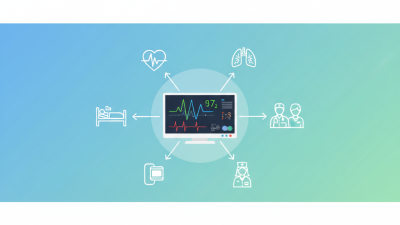
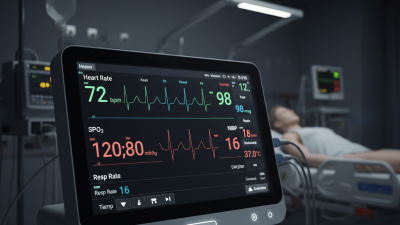
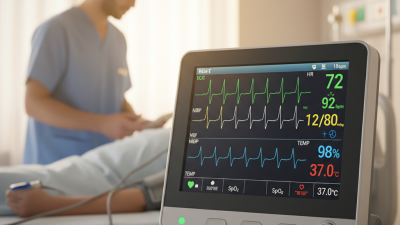
Multi Parameter Monitors track vital signs such as heart rate, blood pressure, and oxygen saturation. Choosing the wrong model can lead to missed alerts or data overload. It’s important to identify which parameters are crucial for your patient population. Each hospital has unique requirements that influence their choice.
Consider your budget, user-friendliness, and integration capabilities with existing systems. These factors will affect both daily operations and patient outcomes. Making an informed decision involves not only comparing features but also reflecting on the learning curve associated with each monitor.
Understanding Multi Parameter Monitors: Key Features and Functions
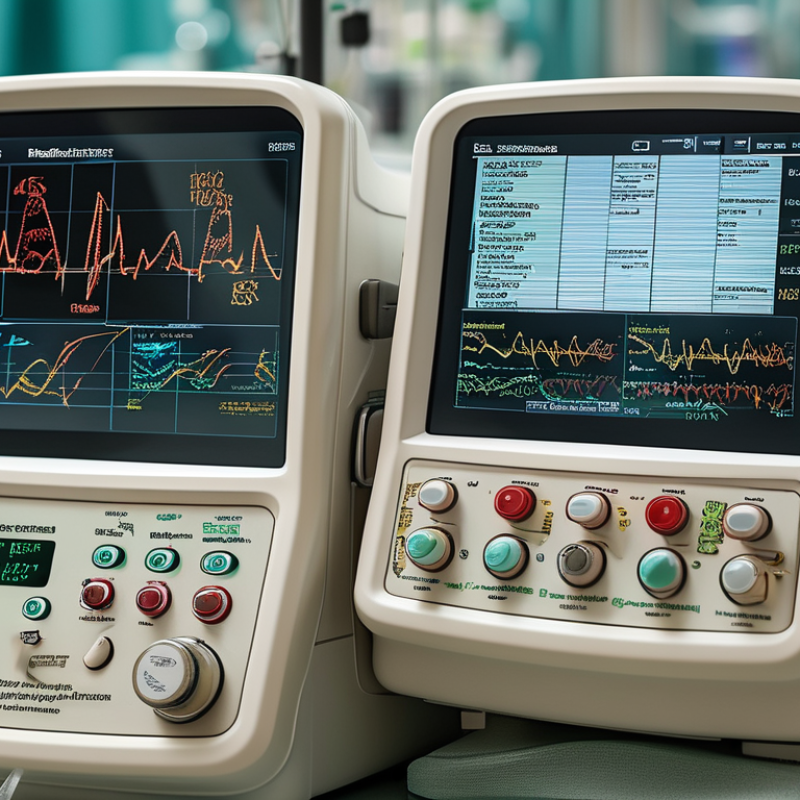
Multi-parameter monitors are crucial in clinical settings. They measure vital signs like heart rate, blood pressure, and oxygen levels. According to a recent report by Research and Markets, the global multi-parameter monitoring market is projected to grow at a CAGR of 8.5% from 2021 to 2028. This growth reflects the increasing demand for advanced monitoring technologies in healthcare.
Key features of a multi-parameter monitor include real-time data display, alarm systems, and connectivity options. Real-time monitoring allows healthcare professionals to make quick decisions. Alarms can alert staff to critical changes in patient conditions. Additionally, wireless connectivity has become vital, enabling data sharing between devices, which improves patient management. However, the complexity of these systems can lead to information overload. Training and clarity in usage are necessary.
Understanding the specific needs for monitoring is essential. Different patient populations may require different parameters. For instance, pediatric patients may need specialized settings for accurate readings. It’s important to reflect on how well the monitor meets these requirements. Evaluating ease of use alongside technical capabilities can be challenging. Balancing advanced features with user-friendliness is key in choosing the right device.
Assessing Your Clinical Needs: What to Consider Before Purchase
Choosing the right multi-parameter monitor requires careful consideration of your clinical needs. Start by assessing the parameters crucial for your practice. These may include heart rate, blood pressure, oxygen saturation, and temperature. Understand which metrics are most relevant for the patients you treat. This ensures you select a monitor tailored to your specific requirements.
Consider the settings in which the monitor will be used. For example, a fast-paced emergency department may need different features than a quiet outpatient clinic. Portability could be essential for mobile units, while advanced telemetry might be necessary for critical care units. Think about your workflow. Does the monitor integrate easily with your existing systems?
Reflect on your budget as well. High-end models come with advanced features but may not be necessary for all scenarios. Be open to the idea that a mid-range option may serve your needs just as effectively. Research and gather opinions from peers, but recognize that every facility is unique. Personal experiences can guide your decision, but they may not reflect your specific needs. Take the time to explore all options thoroughly before making a choice.
Comparing Types of Multi Parameter Monitors: A Guide to Options
When exploring multi-parameter monitors, understanding the types available is crucial. These devices analyze vital signs such as heart rate, blood pressure, and oxygen levels. Each monitor caters to different healthcare environments and patient needs.
Portable monitors are popular for their ease of use. They allow for continuous monitoring in various settings. In contrast, bedside monitors often feature larger screens and advanced capabilities. These are typically used in critical care settings. Another option includes wearable devices, ideal for outpatient monitoring and home use. They provide real-time data but may lack some advanced features.
Consider the necessary parameters for monitoring. Some patients may only require basic readings while others may need comprehensive insights. Analyzing the specific healthcare context is imperative. Utilizing the wrong monitor can lead to insufficient care or incorrect assessments. This is a critical consideration for healthcare professionals. Balancing affordability, accuracy, and functionality is essential when choosing the right monitor.
Comparison of Different Types of Multi-Parameter Monitors
This chart compares the main features of various types of multi-parameter monitors including basic vital signs, advanced monitoring for critical patients, and wearable monitors used in outpatient settings.
Evaluating Technical Specifications: Ensuring Compatibility and Performance
When selecting a multi-parameter monitor, evaluating technical specifications is crucial. This ensures compatibility with your existing systems. Look for monitors that offer comprehensive parameters, such as ECG, SpO2, and blood pressure. These features enhance patient care and support detailed analysis.
Another important aspect is the display quality. A clear, bright screen allows real-time monitoring without strain. Durability is also key; devices should withstand the demands of clinical environments. Checking the battery life and refill options can ensure consistent performance during emergency cases.
However, it’s easy to overlook aspects like software compatibility. Ensure the monitor can integrate with electronic medical records. This enhances workflow efficiency. Regular updates and support from the manufacturer are equally important. It’s worth reflecting on how often users need training to operate the device fully. Meeting these considerations will lead to informed decisions.
Budgeting for Your Purchase: Cost Considerations and Value Analysis
Investing in the right multi-parameter monitor is crucial for healthcare settings. When budgeting, consider essential features that align with your specific needs. The average cost of these monitors ranges from $1,500 to over $10,000, depending on the functionalities offered. According to industry reports, hospitals can spend up to $300,000 on monitoring equipment annually. This makes value analysis key to justifying your purchase.
When assessing costs, look beyond the initial price tag. Maintenance and training expenses are often overlooked. The annual maintenance can average 10% of the purchase cost. Additionally, thorough training for staff ensures optimal use, which allows for better patient outcomes. A thorough assessment of these factors provides a clearer picture of long-term investment value.
Remember, not all monitors suit every facility. An assessment of specific needs and limitations can provide insights. For instance, smaller clinics may not require advanced features useful in large hospitals. Balancing cost and required capabilities can lead to smarter spending choices. Making informed decisions ensures resources are allocated efficiently, benefiting both the facility and its patients.





 Contact WhatsApp
 Contact Phone
 Contact Email