What is an Oxygen Tester and How Does it Work?
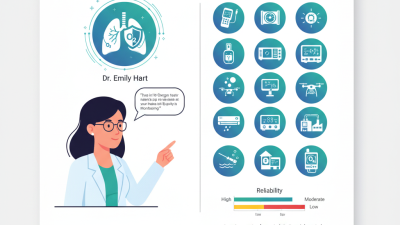
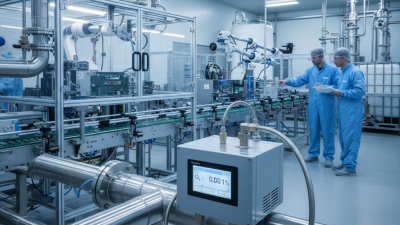
In industries where safety is paramount, Oxygen Testers play a crucial role. These devices measure the concentration of oxygen in the air, ensuring that environments are safe for workers. Dr. Emily Hart, a recognized expert in industrial safety, once stated, “Consistent monitoring of oxygen levels is essential to prevent accidents.” Her insights highlight the importance of these tools.
Oxygen Testers are intricate devices designed to prevent oxygen deprivation. They work by using sensors that detect changes in oxygen levels. In confined spaces, these testers can be lifesavers. Their importance can't be overstated. A faulty or neglected oxygen tester can lead to tragic outcomes.
Many people overlook the significance of maintaining these instruments. Regular calibration is necessary to ensure accuracy. Users must understand that not all testers are equal. Choosing the right device requires expert advice. It’s a reminder of the delicate balance between technology and human safety.
Definition of an Oxygen Tester and Its Purpose
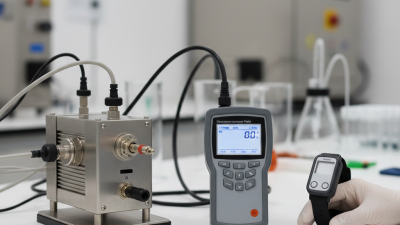
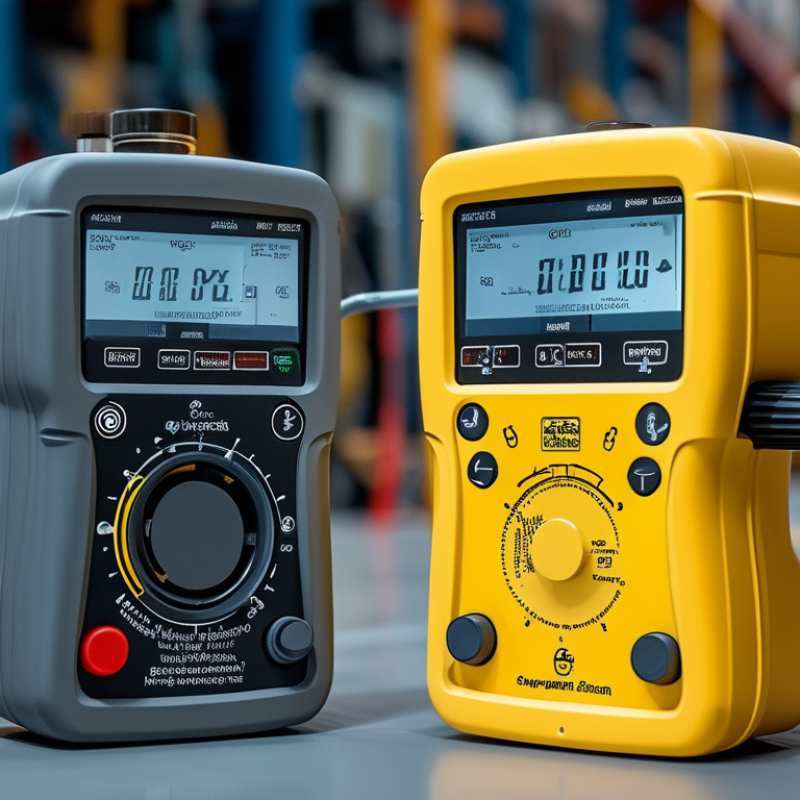
An oxygen tester is a specialized device designed to measure the concentration of oxygen in various environments. This instrument is crucial in industries such as healthcare, diving, and environmental monitoring. By providing real-time data on oxygen levels, it ensures safety and efficiency in operations where oxygen levels can fluctuate.
The primary purpose of an oxygen tester is to prevent hazardous situations. In confined spaces, low oxygen levels can pose serious health risks. An oxygen tester can alert users before conditions become dangerous. These devices often feature simple displays, making it easy for non-experts to understand the readings. Yet, reliance on technology can sometimes lead to complacency.
Regular calibration and maintenance are essential for accurate readings. If the device is not properly calibrated, it may deliver misleading results. This can create a false sense of security. Users should understand its limitations and recognize when human intervention is necessary. Knowledge of the environment being tested is equally important. People must not overlook the basic principles of oxygen safety.
Types of Oxygen Testers Available in the Market
Oxygen testers are essential tools for measuring oxygen levels in various environments. Different types of oxygen testers serve specific needs in industrial, medical, and recreational settings. Understanding these tools can be beneficial for safety and efficiency.
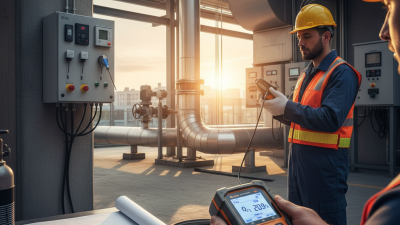
One common type is the portable oxygen tester. These devices allow for easy monitoring in places like mining sites or confined spaces. They are lightweight and often battery-operated, allowing users to carry them effortlessly. However, relying solely on these testers can be risky. Calibration might not be performed regularly, which could lead to inaccurate readings.
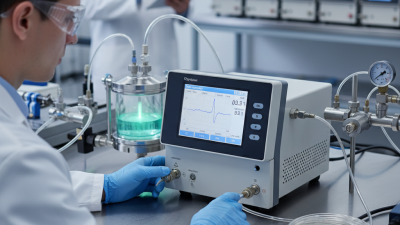
Another category is the stationary oxygen monitor, found in hospitals or labs. These monitors are designed for continuous monitoring of oxygen levels. They often integrate with other systems, providing real-time data to healthcare professionals. Yet, the complexity of these systems may lead to confusion, especially for users without technical training. Ensuring proper training and understanding of the equipment is crucial for effective use.
Types of Oxygen Testers Available in the Market
How Oxygen Testers Measure Oxygen Levels
Oxygen testers are crucial devices used in various industries. They measure the concentration of oxygen in the air, ensuring safety and efficiency. These testers typically use electrochemical sensors or optical sensors to determine oxygen levels. The data generated can be critical in environments like hospitals, breweries, or confined spaces.
Electrochemical sensors function by relying on a chemical reaction that produces a measurable electrical current. This current varies with the oxygen concentration, providing accurate readings. Optical sensors, on the other hand, measure the absorption of light by oxygen molecules. Studies show that using optical sensors can enhance accuracy, especially in challenging environments. According to data from the American Society for Testing and Materials (ASTM), precise oxygen measurement is vital in food packaging to extend shelf life.
Tips: Regular calibration of oxygen testers is essential. Ensure the device is functioning effectively. Perform checks in different environments to maintain reliability. Proper maintenance extends the device's lifespan and enhances performance. When selecting an oxygen tester, consider the specific requirements of your application. Choosing the right technology can significantly impact results.
Remember, not every oxygen tester suits every situation. Reflect on the context in which you intend to use it. Understanding the limitations of your equipment is as important as knowing its strengths.
Step-by-Step Guide on Using an Oxygen Tester
Using an oxygen tester correctly is crucial for ensuring safety in various environments. This guide aims to provide a step-by-step approach to using these devices effectively. Begin by selecting the appropriate oxygen tester for your needs. There are several types, including handheld devices and portable analyzers, each with specific calibration requirements.
Before using the tester, ensure it is calibrated according to the manufacturer's guidelines. Calibration typically involves adjusting the device to known oxygen concentrations, which is essential for accurate readings. For instance, industry standards suggest calibrating the tester using a standard gas mixture with 20.9% oxygen. Always check the expiration date of calibration gases, as expired materials can lead to incorrect readings.
Once calibrated, turn the device on and allow it to warm up. Different testers might require varying amounts of time. During this phase, observe the display for any preload readings. It's important to remember that readings may fluctuate. A reliable oxygen level is considered between 19.5% and 23.5%. If you notice levels dropping below this range, it’s imperative to assess your environment promptly. Mismanagement of oxygen levels can lead to serious safety hazards, as indicated in safety reports highlighting that low oxygen environments can cause unconsciousness within seconds.
Maintenance and Calibration of Oxygen Testers
Oxygen testers play a crucial role in ensuring safety in environments where oxygen levels can vary. For accuracy, regular maintenance and calibration are essential. Over time, sensors can drift or degrade, leading to unreliable readings. It is vital to establish a routine check to maintain their precision.
Calibration involves adjusting the device to ensure it reflects accurate oxygen concentrations. This may require specific tools and expertise. Many testers have factory-recommended procedures for calibration. Following these guidelines helps maintain reliability. Some users may overlook the importance of calibration, but it is critical for safety.
Routine maintenance should include checking for physical damage and cleaning the sensors. Dust and debris can impact performance. Users should also monitor battery life and replace it as needed. Keeping a log of maintenance activities can improve accountability. A well-maintained oxygen tester provides peace of mind in varying environments. Neglecting these steps may lead to undesired outcomes. Regular assessments can prevent larger issues down the line.





 Contact WhatsApp
 Contact Phone
 Contact Email