Why Use a Chlorophyll Tester for Plant Health Measurement?
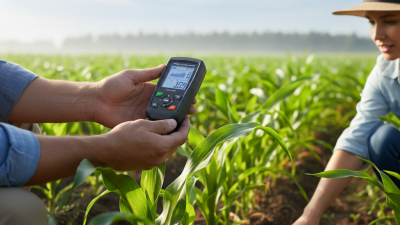
The health of plants is crucial for agricultural productivity. Understanding plant health has become easier with advancements in technology. A Chlorophyll Tester offers precise measurements of chlorophyll levels. This data reflects the plant's overall health and its ability to photosynthesize effectively. According to a report by the American Society of Agronomy, nearly 30% of crop yield loss is tied to inadequate nutrient uptake, which can be assessed using a Chlorophyll Tester.
Dr. Emily Roberts, a leading expert in plant physiology, states, "The Chlorophyll Tester provides immediate insights into plant health, allowing farmers to make informed decisions." This statement underscores the importance of real-time data in agriculture. Farmers using these tools can optimize fertilizer use and reduce waste, ultimately increasing yield. Yet, some farmers hesitate to adopt this technology due to costs or a lack of knowledge about its benefits.
While the Chlorophyll Tester is a valuable tool, it is not infallible. Factors like leaf age and environmental stress can affect readings. Therefore, it is essential for users to interpret results carefully. Balancing technology with traditional practices can lead to better agricultural outcomes.
The Importance of Chlorophyll for Plant Photosynthesis and Growth
Chlorophyll plays a critical role in photosynthesis, which is essential for plant growth. The pigment absorbs sunlight, facilitating the conversion of carbon dioxide and water into glucose and oxygen. According to the International Journal of Plant Sciences, plants with higher chlorophyll content can produce up to 20% more biomass compared to those with lower levels. This is significant for both crop yield and quality.
To measure chlorophyll levels accurately, tools like chlorophyll testers are invaluable. These devices provide quick and reliable metrics, allowing farmers and botanists to monitor plant health. A study in the Journal of Agricultural and Food Chemistry indicates that chlorophyll content is directly correlated with plant stress levels. For instance, a decrease in chlorophyll can signal nutrient deficiencies or environmental stress. Identifying these issues early can prevent crop loss.
Despite their benefits, relying solely on chlorophyll content may lead to oversights. For example, some plants may maintain chlorophyll levels even when other nutrients are lacking. This highlights the importance of a comprehensive approach to plant health monitoring. A single metric, while useful, does not capture the full picture of plant vitality. Ensuring healthy crops requires a combination of various indicators and careful observation.
Understanding Chlorophyll Testers: Types and Functionality
Chlorophyll testers play a crucial role in assessing plant health. These devices measure chlorophyll content, which correlates with a plant's vitality. Different types of testers exist, each offering unique functionalities.
Handheld models provide quick readings. They allow gardeners to monitor plants in real-time. Advanced models integrate with smartphones for data tracking.
Understanding how these testers work enhances their effectiveness. Most utilize optical sensors to measure light absorption. Green light absorption indicates higher chlorophyll levels. This technology helps identify nutrient deficiencies early. However, these testers may not provide the full picture.
Soil health, water quality, and sunlight exposure also impact plant growth. Relying solely on chlorophyll readings can be misleading.
Gardeners should combine chlorophyll data with other assessments. Regular visual inspections can reveal pest issues or diseases. Additionally, understanding seasonal changes is vital. Reflecting on both the reading and broader environmental factors leads to better plant care.
Being aware of this complexity helps in making informed decisions for plant health.
Industry Standards for Chlorophyll Measurement: Methods and Accuracy
Chlorophyll measurement plays a crucial role in assessing plant health. Accurate monitoring can indicate nutrient levels, photosynthetic efficiency, and overall vitality. Industry standards for chlorophyll testing emphasize non-destructive methods. These methods utilize sensors that gather real-time data.
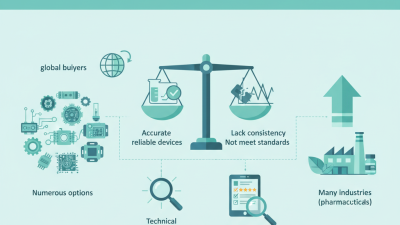
Various techniques exist for chlorophyll measurement. Some are based on reflectance, while others are more precise, like transmittance. Researchers often debate the accuracy of these different methods. Factors such as plant type, light conditions, and calibration can affect results. It’s important to understand these variables when interpreting data.
The reliability of chlorophyll testers can fluctuate. Some devices may offer quick readings but lack depth. Selecting a method that aligns with specific research goals is essential. Users should maintain an awareness of these limitations. Continuous refinement of measurement techniques can enhance our understanding of plant health.
Impact of Chlorophyll Levels on Crop Yield: Data and Research Findings
Chlorophyll levels play a crucial role in determining crop yield. Research shows that higher chlorophyll content typically leads to improved photosynthesis. This process enhances plant growth and increases the potential for higher yields. Studies link chlorophyll levels directly to the health and vitality of various crops. In fact, crops with optimal chlorophyll levels tend to resist diseases more effectively.
However, not all plants respond the same way. For instance, some may thrive with lower chlorophyll levels, while others may need higher concentrations. This variability can lead to confusion. Monitoring chlorophyll can help identify the best conditions for different crops. Using a chlorophyll tester helps farmers analyze their crops' health effectively.
Tip: Regularly measuring chlorophyll can guide your fertilization strategies. Adjusting nutrient levels based on chlorophyll readings can enhance overall plant health. Pay attention to environmental factors like light and soil quality, as they influence chlorophyll content. Monitoring these factors can lead to more sustainable farming practices.
Best Practices for Using Chlorophyll Testers in Agricultural Settings
Chlorophyll testers are valuable tools in agriculture. They provide immediate insights into plant health by measuring chlorophyll levels. Monitoring these levels helps farmers optimize nutrient management. Healthy plants often have higher chlorophyll content, which can correlate with yield potential.
Tips for using chlorophyll testers effectively include selecting a consistent time for measurements. Morning readings might yield more accurate results due to lower variability in light conditions. Position the tester at the same height and angle on each leaf to maintain consistency. Regularly calibrate your equipment to ensure accuracy over time.
It's crucial to understand that chlorophyll levels can vary between plants, even within the same field. Inconsistent data might lead to misguided treatment decisions. Documenting environmental conditions can help contextualize the readings. Always seek to understand the underlying factors affecting plant health rather than just relying on the numbers.





 Contact WhatsApp
 Contact Phone
 Contact Email