





News
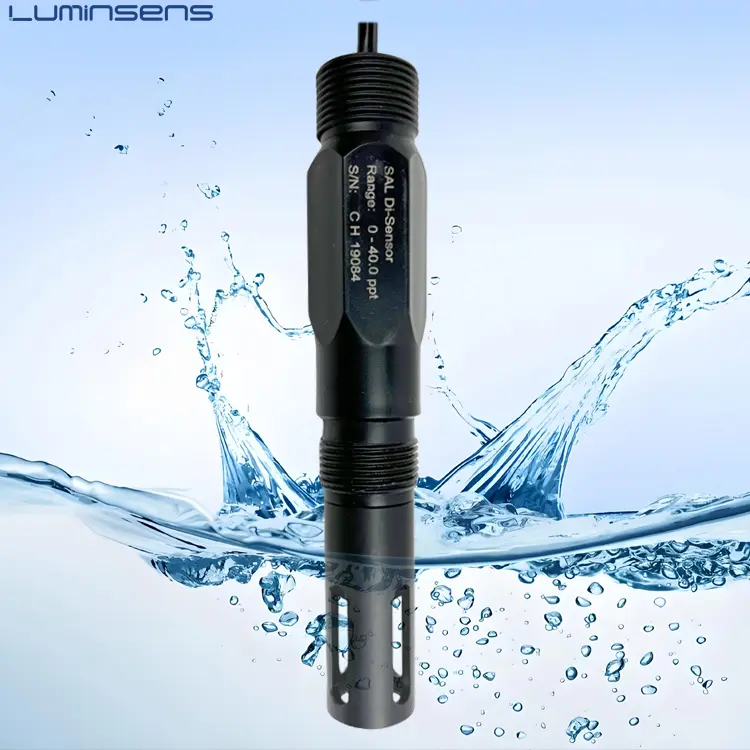
Four-Electrode Salinity Sensors: Precision for Global Water Monitoring
Across global sectors including aquaculture, municipal water treatment, and food & beverage processing, water quality monitoring has long been plagued by pain points like inconsistent data accuracy, high maintenance costs, and limited adaptability to harsh water environments — bottlenecks that directly hinder operational efficiency and compliance with international standards. Today, water quality sensing provider LUMINSENS announces expanded global market reach, aiming to empower these industries with advanced sensing solutions that address these long-standing challenges.
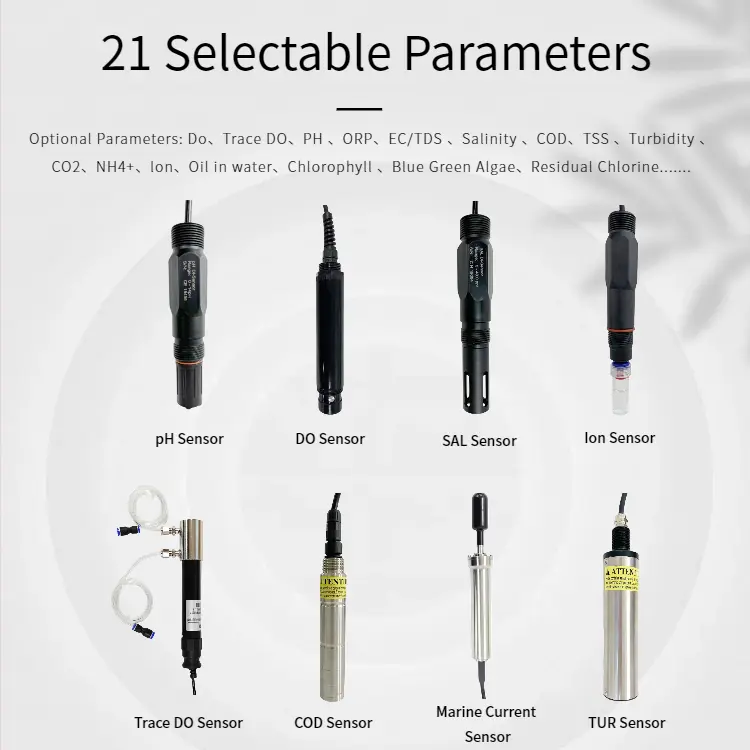
Precision in Selection, Efficacy in Monitoring: A Guide to Water Quality Sensor Parameters
As global water resource protection policies tighten and smart city construction accelerates, the water quality sensor market is expanding at a CAGR of 11.6%, with the global scale expected to reach $7.8 billion by 2030 . Multi-parameter integration and intelligent monitoring have become industry trends, but the demand for sensor parameters varies significantly across application scenarios. Selecting the right core parameters is crucial to ensuring monitoring accuracy and cost optimization.
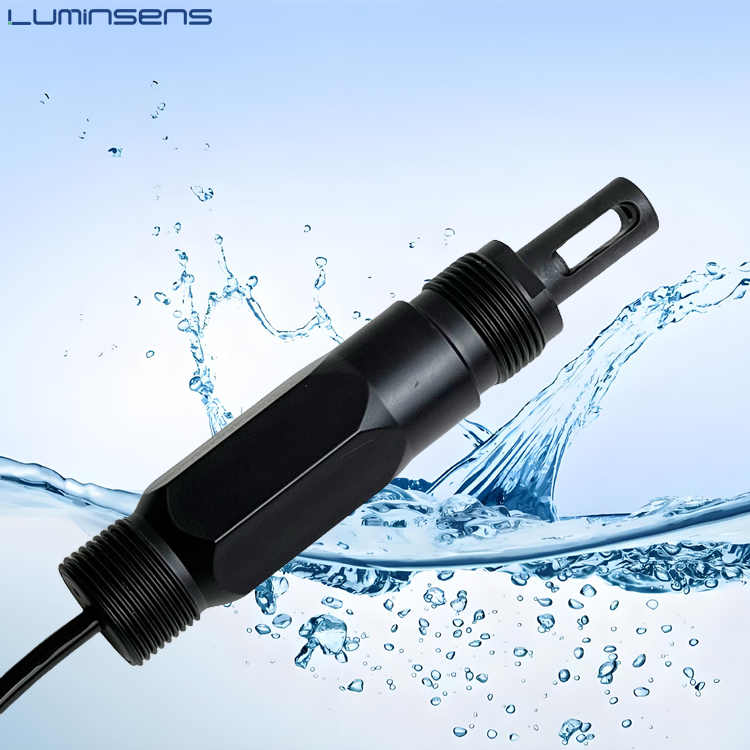
The Critical Role of Conductivity Measurement in Water Quality and Industrial Processes
Conductivity, a fundamental property of water, measures its ability to conduct an electric current. This characteristic is directly influenced by the concentration of dissolved ionic substances, such as salts, minerals, and inorganic compounds. In simple terms, the more ions present, the higher the conductivity. This makes conductivity an invaluable, rapid, and cost - effective parameter for assessing water purity and the concentration of total dissolved solids (TDS) across a vast array of applications. From ensuring the safety of drinking water and the efficiency of industrial wastewater treatment to monitoring nutrients in hydroponics and salinity in aquaculture, conductivity measurement serves as a first - line defense and a key process control indicator.
Your High-Purity Production's Hidden Enemy: 1ppb Trace Dissolved Oxygen
When your pharma line scraps 3 batches of injectables (≈$200k loss) due to “mysterious oxidation” in water, or your semiconductor wafer yield drops 18% from “invisible oxygen” in ultrapure water—here’s the truth: parts-per-billion (ppb) trace dissolved oxygen (DO) is the silent thief eating your profits!
Highlights Review of 2025 China International Fishery Expo
At the 2025 China International Fishery Expo, a top-tier event in the global fishery sector, the sales manager representative of Qingdao LuminSens Marine Technology Co., Ltd. made a brilliant appearance with our core technologies and products. We conducted in-depth exchanges with aquaculture enterprises from all over the world, reached multiple cooperation consensuses through friendly and professional discussions, and injected new momentum into the water quality monitoring and intelligent development of global aquaculture.
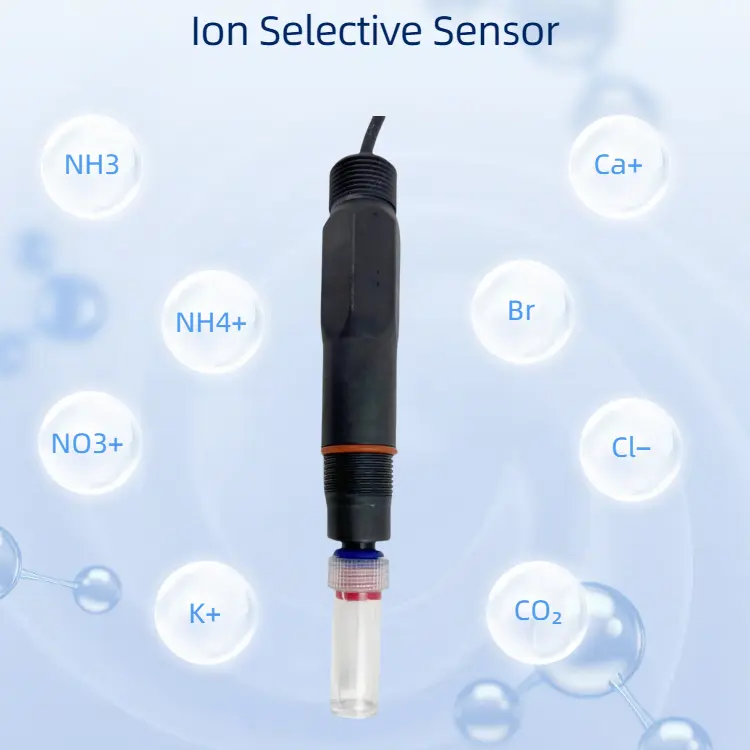
Ion “Detective” Safeguards Water Safety: This Sensor is Redefining the Precision Benchmark of Water Quality Monitoring
Water is the source of life and an important support for economic and social development. Against the backdrop of dual challenges of global water resource pollution and shortage, the innovation and application of water quality monitoring technology have become a key link in safeguarding the water environment and implementing the United Nations Sustainable Development Goal (SDG 6). Among them, ion selective water quality sensors have become the "sharp eyes" in the field of water quality monitoring with their accurate detection capability for specific ions in water, helping the industry move towards intelligence and precision.
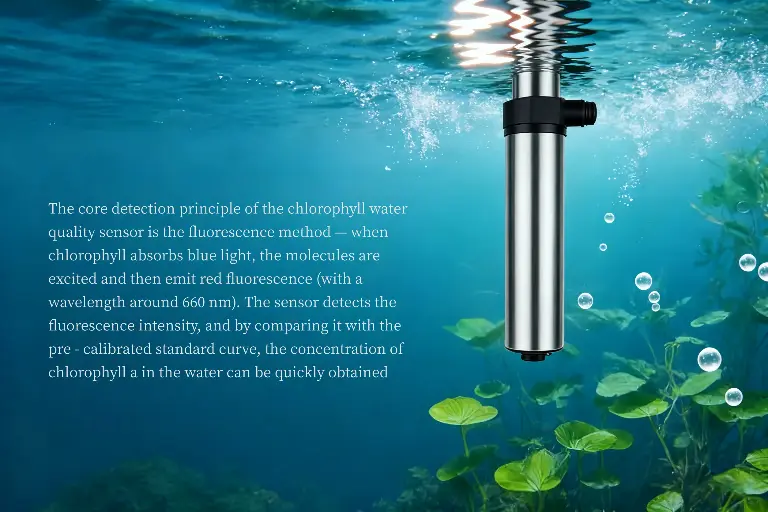
Chlorophyll Water Quality Sensors: "Technological Sentinels" Guarding Water Environments
With the growing global awareness of water resource protection, water quality monitoring has become a core part of water environment management. Among numerous water quality indicators, chlorophyll-a content is a key parameter reflecting the degree of water eutrophication and algae growth. When the concentration of chlorophyll-a in water rises abnormally, it often indicates that algae such as cyanobacteria and green algae may multiply in large quantities, which can trigger algal bloom disasters and threaten drinking water safety and aquatic ecological balance. The emergence of chlorophyll water quality sensors has provided a "technological tool" for real-time and accurate monitoring of this indicator.
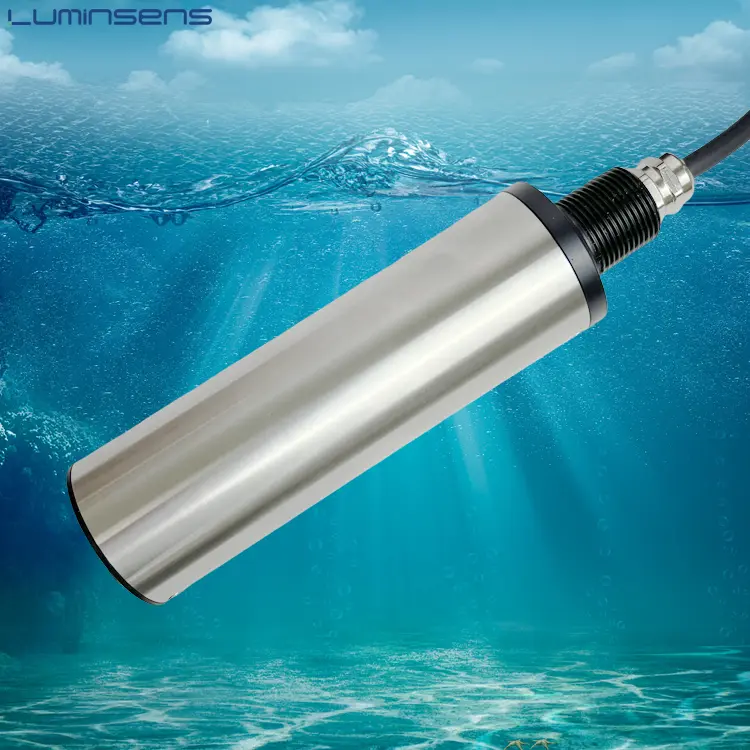
Total Suspended Solids (TSS) Monitoring: Decoding the "Invisible Code" of the Water Environment
In the field of water environment governance and water quality monitoring, Total Suspended Solids (TSS) serves as a crucial "ruler" — it represents the total amount of suspended particles in water and is directly linked to water transparency, pollution load, and ecological health. From process regulation in urban sewage treatment plants, to long-term monitoring of river basin water environments, and to water quality optimization in aquaculture, the accurate acquisition of TSS data is the core prerequisite for the industry to achieve "scientific pollution control and intelligent water management".

September Industry Insights: How Water Quality Monitoring Supports Global Aquaculture and Wastewater Treatment
https://site_a63ef255-fec2-44c5-931a-179661464f20/aquaculture-fluorescence-dissolved-oxygen-meter-do-sensor-probe-product/Whether ensuring stable output in aquaculture or enhancing the efficiency and sustainability of wastewater treatment, real-time, accurate water quality data is the foundation for scientific decision-making. LuminSens is committed to providing reliable and intelligent water quality monitoring solutions, safeguarding global water environment management with advanced sensing technology.
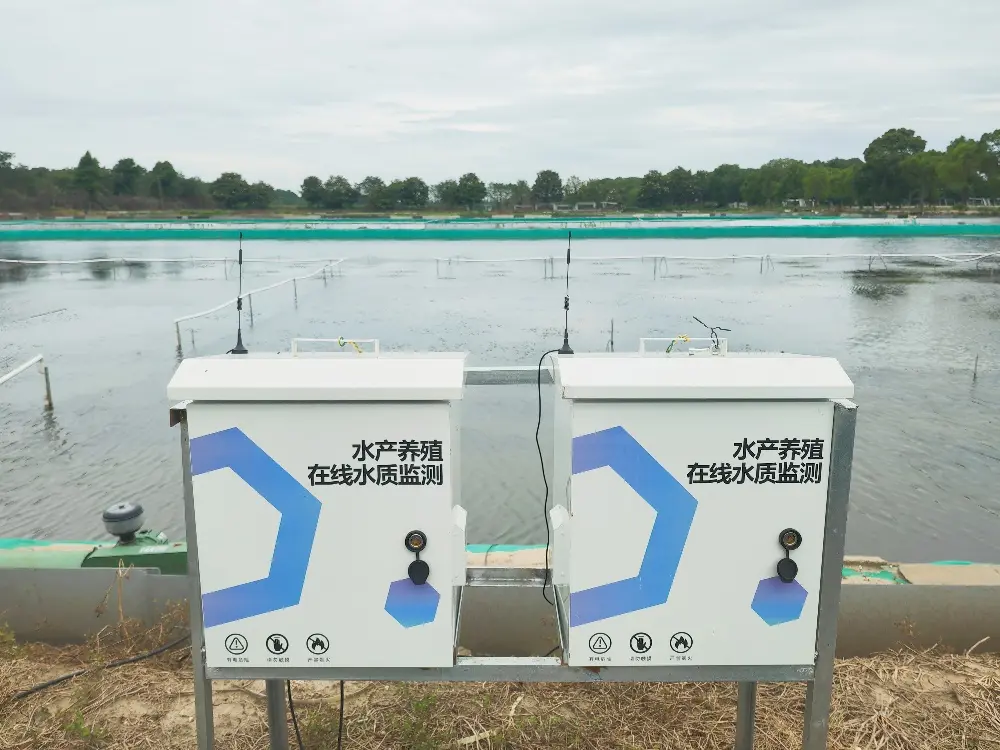
From "Farming by Luck" to "Farming with Knowledge": How Online Water Quality Monitoring Systems are Reshaping Modern Aquaculture
In the aquaculture industry, an old adage prevails: "To farm fish, first cultivate the water." The quality of water directly determines the health, growth rate, and ultimate success of aquatic products. However, in traditional models, "water cultivation" relied heavily on farmers' visual inspection and manual testing—a process that is not only labor-intensive but also akin to "touching an elephant in the dark," making it difficult to grasp the full picture of water conditions comprehensively and promptly. An intelligent revolution driven by IoT and big data technologies is now ushering this traditional industry into a new era of precision management through online water quality monitoring systems.