






From "Farming by Luck" to "Farming with Knowledge": How Online Water Quality Monitoring Systems are Reshaping Modern Aquaculture
In the aquaculture industry, an old adage prevails: "To farm fish, first cultivate the water." The quality of water directly determines the health, growth rate, and ultimate success of aquatic products. However, in traditional models, "water cultivation" relied heavily on farmers' visual inspection and manual testing—a process that is not only labor-intensive but also akin to "touching an elephant in the dark," making it difficult to grasp the full picture of water conditions comprehensively and promptly. An intelligent revolution driven by IoT and big data technologies is now ushering this traditional industry into a new era of precision management through online water quality monitoring systems.
The Challenge: Why is Water Quality Management So Tricky?
A water body is a complex ecosystem where several key parameters act as the "lifelines" for aquatic animals:
- Dissolved Oxygen (DO): The "oxygen tank" in water. Insufficient DO causes suffocation and mass mortality (fish surfacing); excessively high levels can lead to gas bubble disease.
- pH Value: The "acidity-alkalinity gauge" of the water. Sharp fluctuations can disrupt the osmoregulation system of fish and shrimp, affecting their physiology and amplifying the toxicity of ammonia.
- Temperature: The "pacemaker" of metabolism. Sudden changes can cause stress and even death.
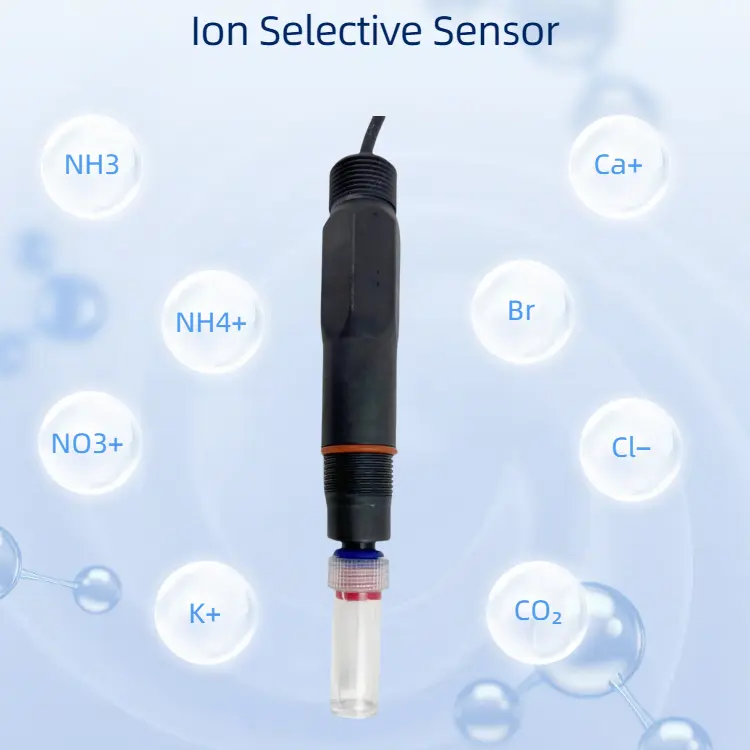
- Ammonia and Nitrite: "Invisible killers" produced from the decomposition of waste and leftover feed. They are highly toxic, damaging gills and impairing oxygen transport, and are primary causes of disease outbreaks.
These parameters change dynamically 24/7, influenced by weather, feeding, microbial activity, and more. Traditional manual testing, capturing only one or two data points per day, often misses critical deterioration events occurring at night or during sudden weather changes, posing significant risks.
How the System Works: Gaining "Insight" into the Aquatic World
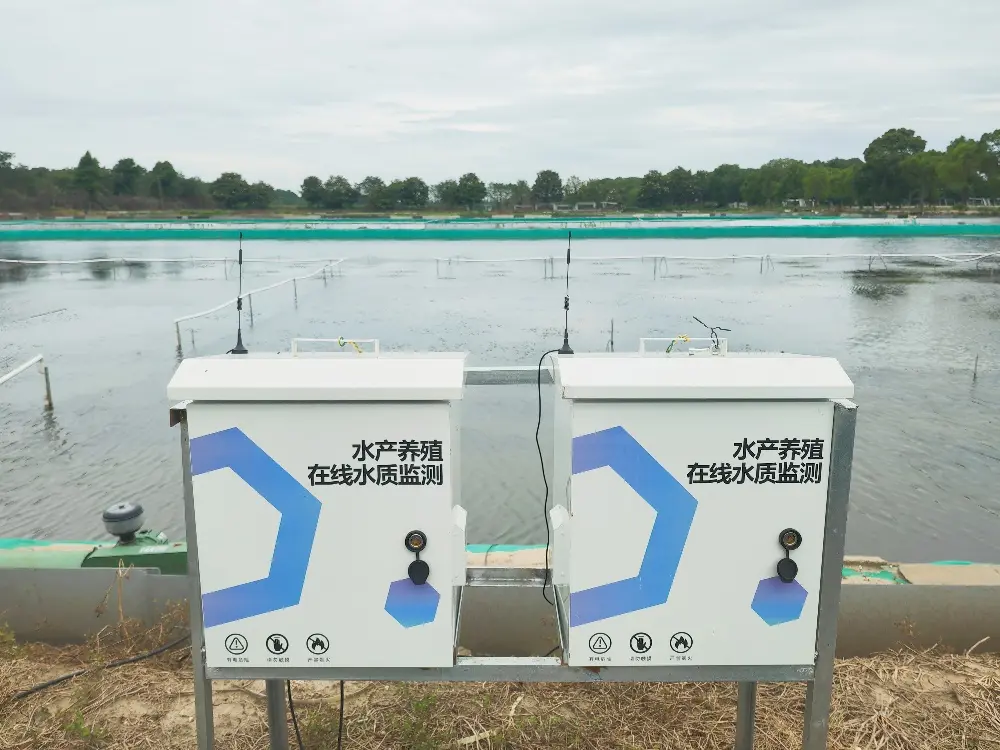
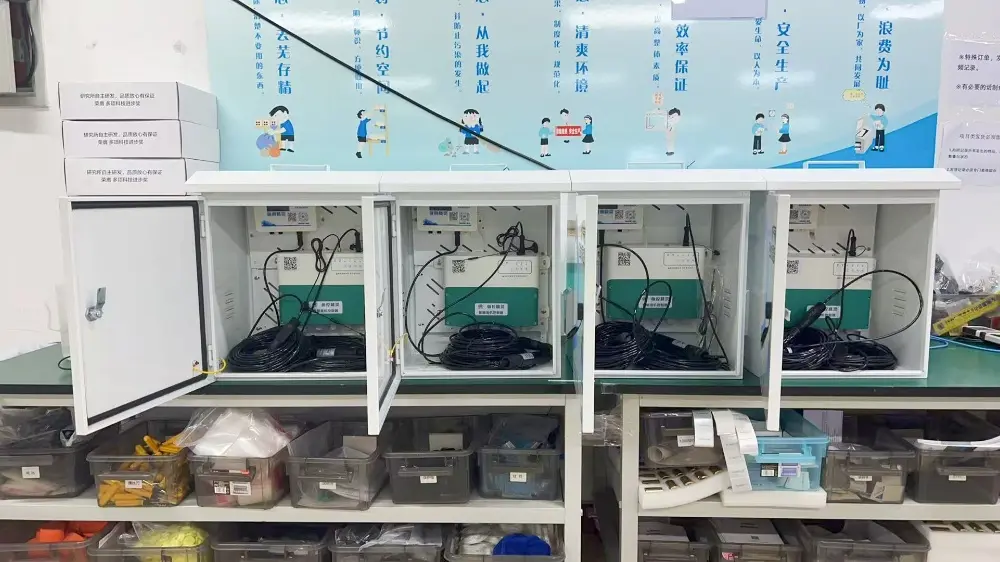
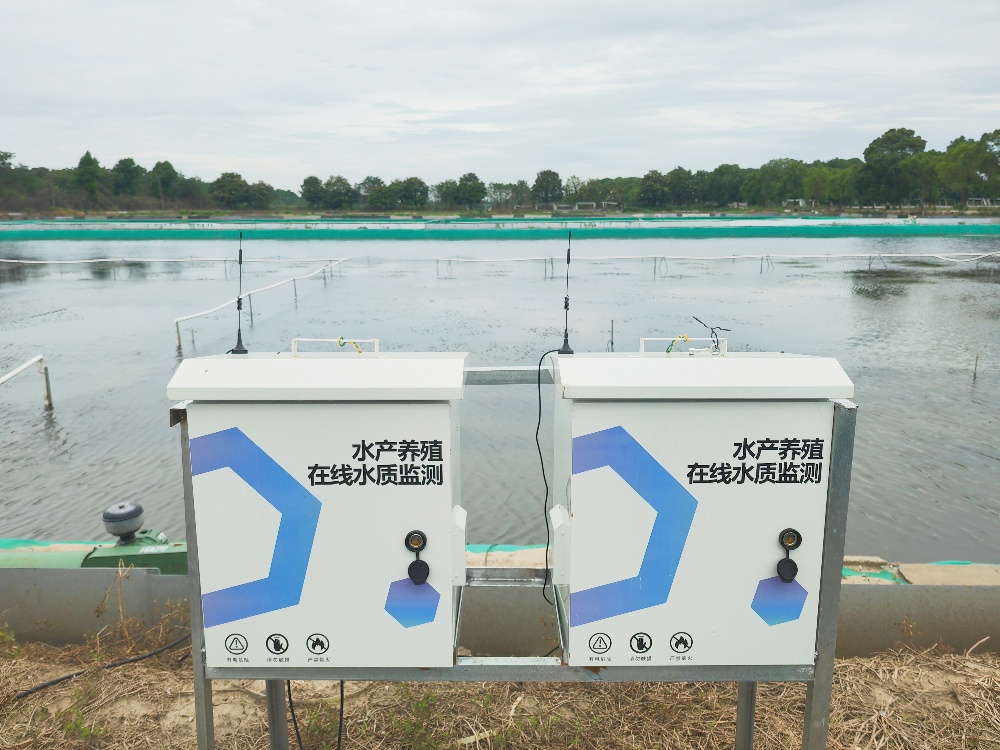
An online monitoring system acts like giving "eyes and ears" to the pond. Its core components include:
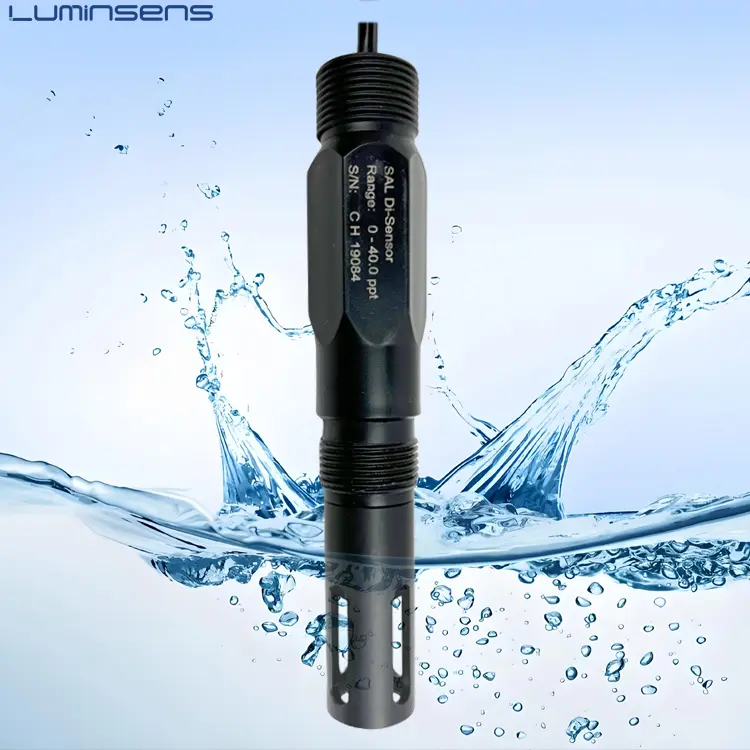
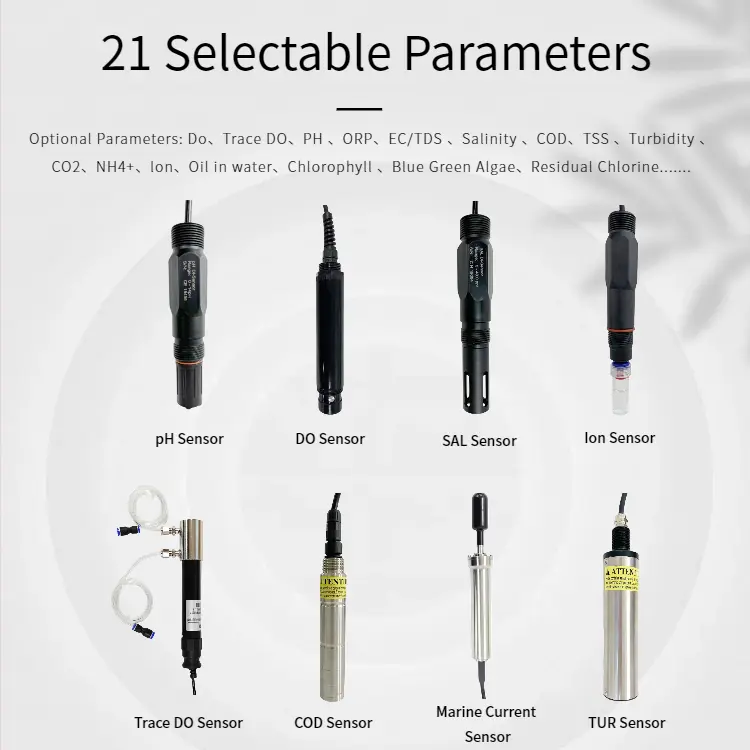
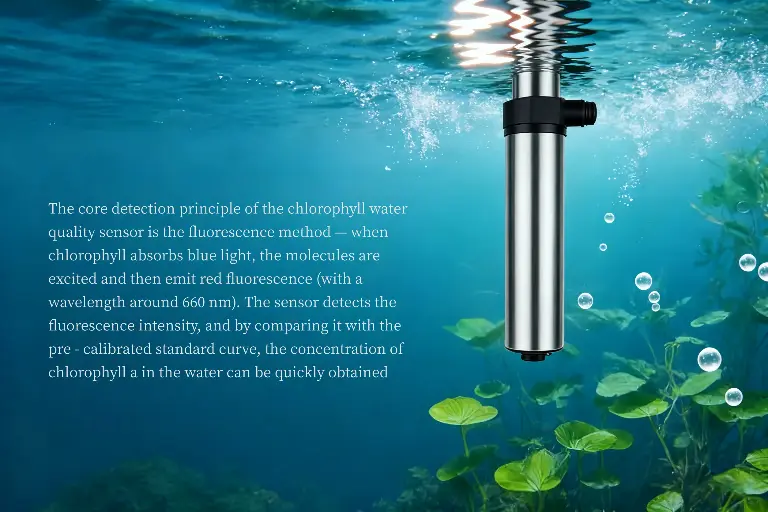
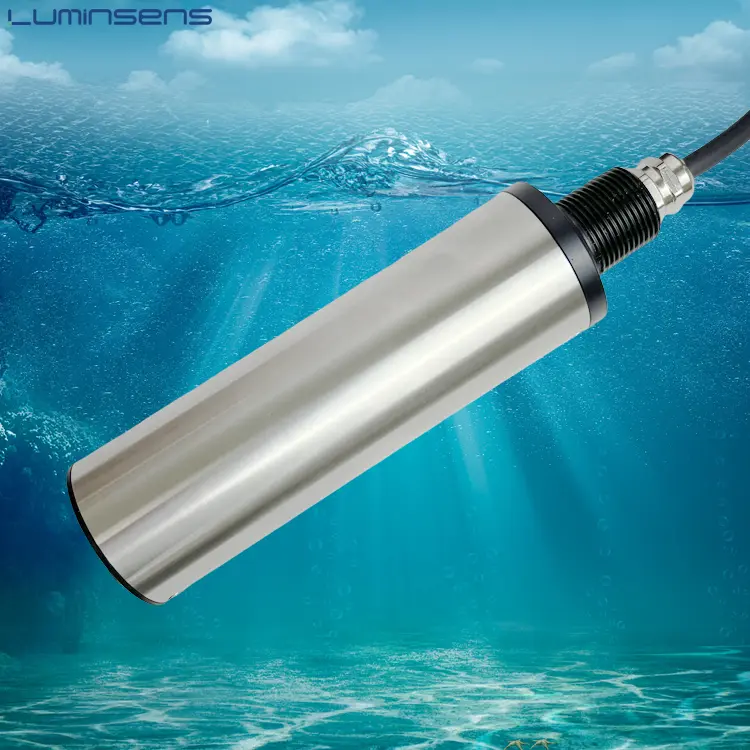
- Submerged Sensor Array: Acting as "scouts" in the water, continuously collecting data on key parameters.
- Data Logger and Transmitter: The "nerve center" processes sensor signals and transmits them in real-time to the cloud via 4G/5G or LoRa networks.
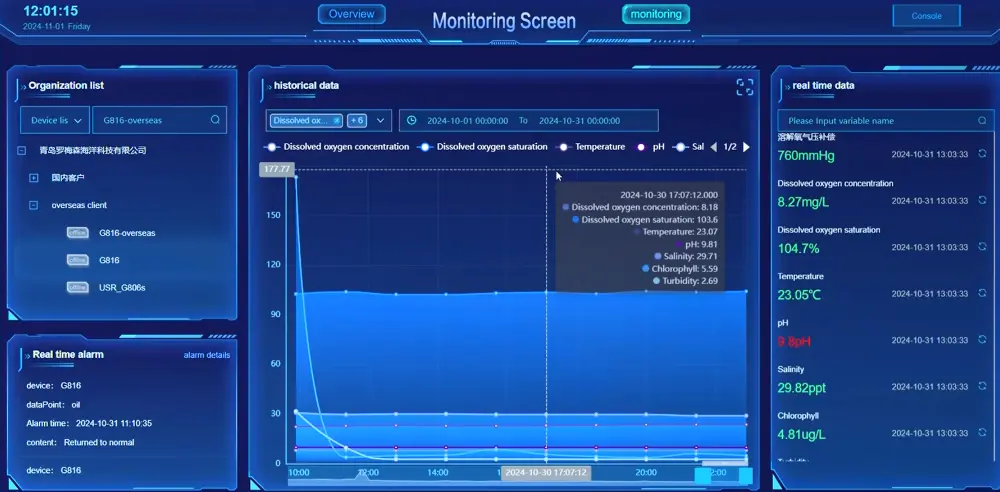
- Cloud Platform and Smart Terminals: The cloud serves as the "intelligent brain," storing and analyzing data, and presenting an intuitive water quality dashboard to farmers via computers or mobile apps. Instant alerts are triggered via multiple channels if any parameter crosses a safety threshold.
Beyond Alerts: Enabling Scientific Decision-Making
The value of this system extends far beyond real-time alarms. Through continuous data accumulation, it enables two significant leaps in understanding:
- From "Snapshot Understanding" to "Grasping Patterns": The system generates trend charts showing how ammonia rises after feeding or how dissolved oxygen recovers after aerators turn on. This allows managers to transition from reactive problem-solving to proactively understanding and optimizing the aquaculture ecosystem.
- Promoting "Precision Aquaculture": Based on long-term data, farmers can make more scientific decisions regarding feeding strategies and aeration schedules, thereby reducing feed waste and energy consumption. This enhances economic returns while promoting environmentally responsible and sustainable practices.
Future Outlook: Towards Predictive Intelligent Aquaculture
Looking ahead, integrated with Artificial Intelligence (AI) and machine learning, these systems will not only report current conditions but also predict future water quality trends hours or even days in advance based on historical data and weather forecasts. This will enable pre-emptive automatic control of aerators and feeders, paving the way for the era of "unmanned" precision management in smart fish farms.
Online water quality monitoring systems are transforming aquaculture from an experience-dependent "art" into a quantifiable, analyzable, and predictable "science," providing robust technological support for ensuring global food security and advancing the blue economy.