






Precision in Selection, Efficacy in Monitoring: A Guide to Water Quality Sensor Parameters
As global water resource protection policies tighten and smart city construction accelerates, the water quality sensor market is expanding at a CAGR of 11.6%, with the global scale expected to reach $7.8 billion by 2030 . Multi-parameter integration and intelligent monitoring have become industry trends, but the demand for sensor parameters varies significantly across application scenarios. Selecting the right core parameters is crucial to ensuring monitoring accuracy and cost optimization.
1. Drinking Water & Municipal Water Supply
Ensuring the safety of drinking water is the highest priority. The core parameters in this sector revolve around microbial safety, chemical residue, and sensory indicators.
- Key Parameters: Turbidity, Residual Chlorine, pH, Conductivity (TDS).
- In - depth Analysis: Turbidity is a key visual indicator of suspended particles and potential microbial contamination; residual chlorine is critical for continuous disinfection within the distribution network to prevent pathogen growth; pH affects water corrosiveness and disinfection efficiency; conductivity or Total Dissolved Solids (TDS) reflects water purity. Advanced applications may also monitor Total Organic Carbon (TOC) as a broad indicator of organic contamination.
- Technical Requirements: IP68 protection rating and corrosion-resistant materials to adapt to harsh working conditions such as high temperature and high salinity.
2. Wastewater Treatment & Effluent Discharge
The goal of wastewater treatment is to efficiently remove pollutants and ensure effluent complies with environmental standards. The monitoring focus is on pollution load and the biological treatment process.
- Key Parameters: Chemical Oxygen Demand (COD)/Biochemical Oxygen Demand (BOD), Ammonia Nitrogen, Nitrate, Phosphate, Suspended Solids (SS), pH, Dissolved Oxygen (DO).
- In - depth Analysis: COD and BOD are core metrics for measuring the organic pollutant content in water. Ammonia nitrogen and phosphate are key nutrients that cause eutrophication and must be effectively removed. Dissolved Oxygen is vital for aerobic biological treatment processes and requires real - time monitoring to optimize aeration and save energy. pH also affects microbial activity.
- Technical Requirements: IP68 protection rating and corrosion-resistant materials to adapt to harsh working conditions such as high temperature and high salinity.
3. Aquaculture
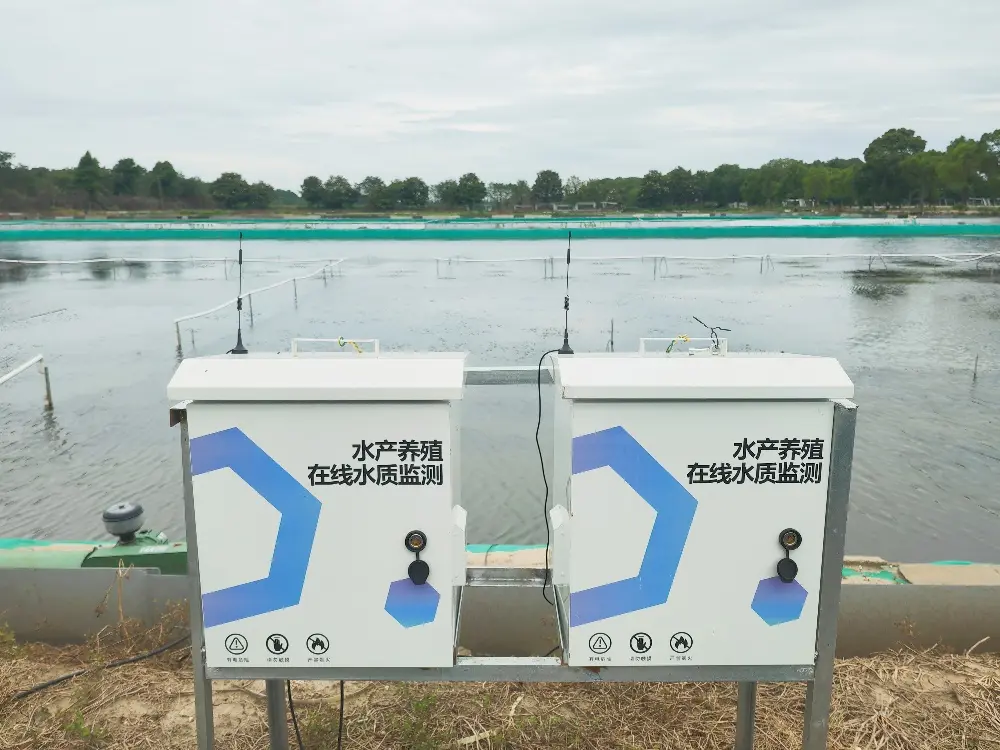
In aquaculture, water quality directly impacts the health and growth rate of aquatic animals. Maintaining a stable and suitable aquatic environment is fundamental to successful farming.
- Key Parameters: Dissolved Oxygen (DO), Temperature, pH, Ammonia Nitrogen, Nitrite.
- In - depth Analysis: Dissolved Oxygen is the lifeline; oxygen deficiency can cause mass mortality in a short time. Temperature and pH collectively affect animal metabolism and the toxicity of ammonia. Ammonia nitrogen and nitrite are toxic substances produced by farming metabolism and must be strictly controlled below safe thresholds.
- Technical Requirements: IP68 protection rating and corrosion-resistant materials to adapt to harsh working conditions such as high temperature and high salinity.
4. Ambient & Surface Water Monitoring
Monitoring rivers, lakes, and oceans aims to assess ecological health, track pollution sources, and provide early warnings for ecological disasters like algal blooms.
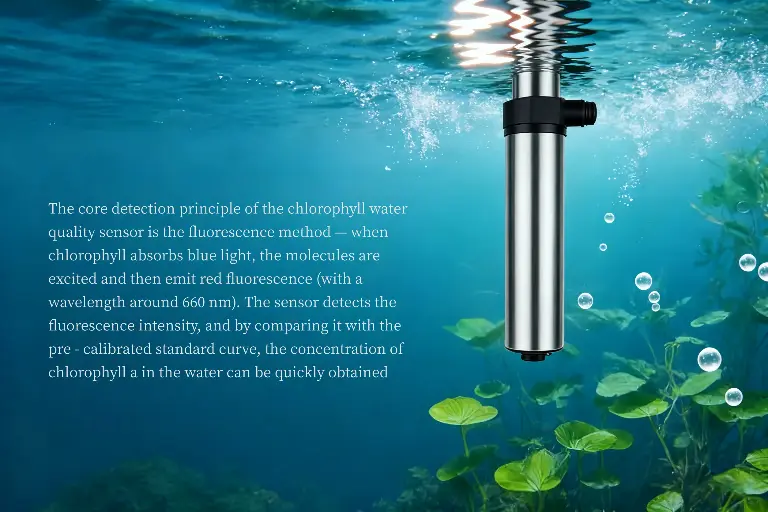
- Key Parameters: Dissolved Oxygen (DO), Temperature, pH, Turbidity, Chlorophyll - a, Cyanotoxins, Nitrate, Phosphate.
- In - depth Analysis: Dissolved Oxygen is a key indicator of a water body's self - purification capacity and ecological balance. Chlorophyll - a and cyanotoxins are specific parameters that directly reflect algal biomass and the toxicity of cyanobacterial blooms. The concentration of nutrients (nitrogen, phosphorus) is a crucial precursor for predicting the risk of algal blooms.
- Technical Requirements: IP68 protection rating and corrosion-resistant materials to adapt to harsh working conditions such as high temperature and high salinity.
5. Laboratory Research & Industrial Process Water
Applications in this sector are highly specialized, and parameter selection is entirely dependent on the specific experimental purpose or industrial process.
- Key Parameters: High - precision pH/ORP (Oxidation - Reduction Potential), Ion - specific parameters (e.g., Fluoride, Chloride, Calcium), Total Organic Carbon (TOC), Heavy Metals (e.g., Lead, Copper, Cadmium).
- In - depth Analysis: In industries like semiconductors or pharmaceuticals, ultrapure water requires monitoring for very low TDS and trace ions. In the food and beverage industry, specific ion concentrations directly impact product taste and quality. ORP is an important metric for industrial chemical reaction control and swimming pool disinfection.
- Technical Requirements:
Laboratory Scenarios: Supports micro-sample testing, networked data storage, and calibration traceability, compliant with ISO 17025 laboratory accreditation standards;
Industrial Process Scenarios: Capable of 10,000 hours of trouble-free continuous operation, supports online real-time calibration and process-linked alarms, protection rating ≥IP67, compatible with clean rooms and pipeline installation environments.
There is no "one-size-fits-all" solution for water quality monitoring. The key to success lies in a deep understanding of your application, regulatory requirements, and core water quality objectives. Selecting sensors that accurately and reliably measure the relevant key parameters is the foundation for ensuring a return on investment and achieving your monitoring goals.