






September Industry Insights: How Water Quality Monitoring Supports Global Aquaculture and Wastewater Treatment

September: A Critical Management Period for Aquaculture
As the Northern Hemisphere transitions into autumn, September is a crucial period for aquaculture management in many regions. Water temperatures begin to drop from summer peaks, increasing the likelihood of water column turnover. This can bring organic matter from the bottom sediments up into the water column, consuming large amounts of oxygen and releasing harmful substances. Furthermore, significant diurnal temperature fluctuations can affect fish digestion despite active feeding, leading to increased waste and elevated levels of ammonia and nitrite.

Key Water Quality Parameters & Monitoring:
- Dissolved Oxygen: Temperature-driven stratification and turnover can cause hypoxic bottom water to rise, stressing or even killing stock. Real-time Do Monitoring is vital.
- Ammonia & Nitrite: High metabolic rates and accumulating feed waste can cause rapid spikes in these toxic compounds if the nitrification process is unstable.
- pH & Temperature: Water temperature directly affects fish metabolism and oxygen saturation. pH fluctuations influence the toxicity of ammonia.
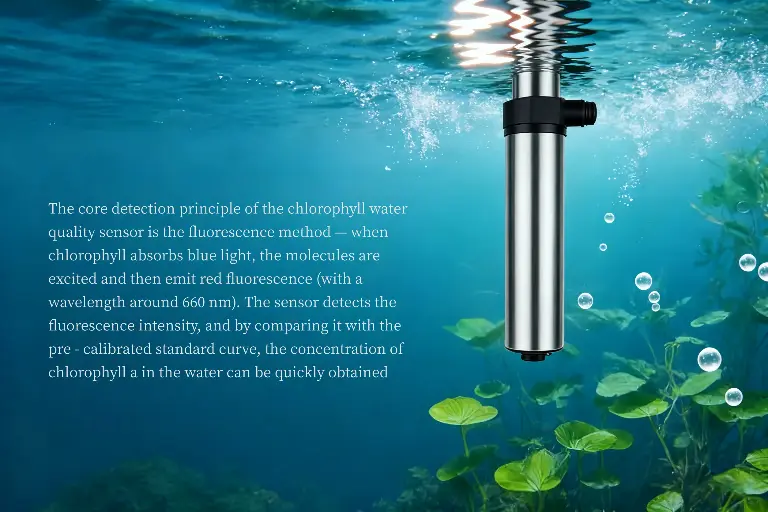
- Chlorophyll-a: As an indicator of algal biomass, it helps predict risks associated with algal blooms or sudden die-offs.
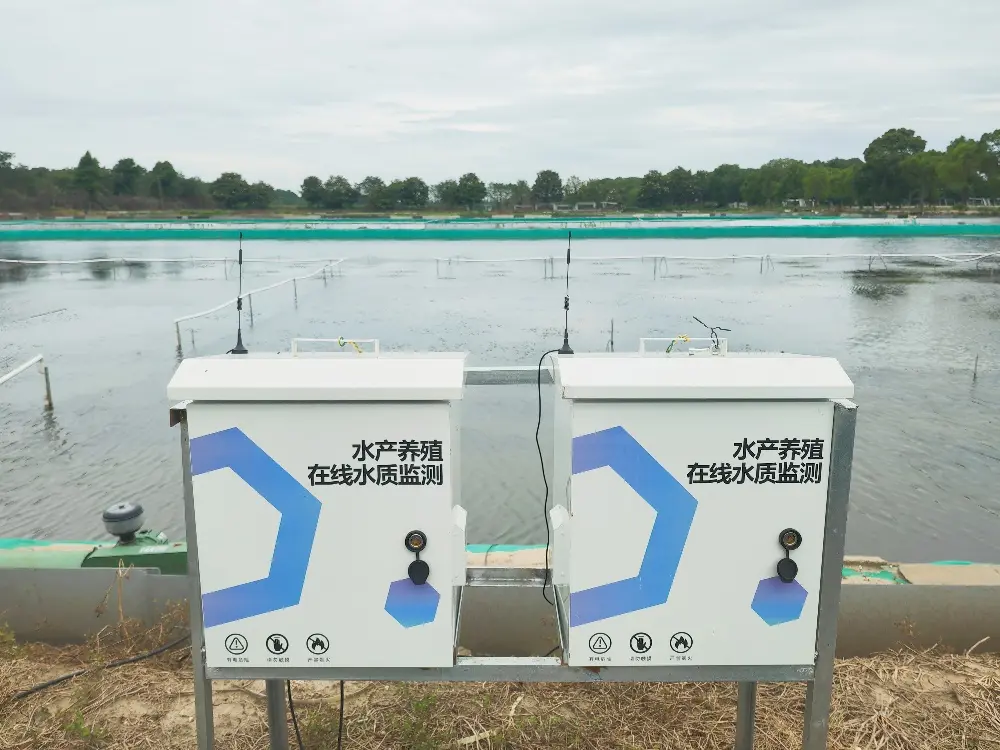
By deploying online water quality monitoring systems, farmers can track these critical parameters 24/7, enabling timely interventions such as aeration, feed management adjustment, or probiotic application for precise control, effective disease prevention, and a successful harvest.
Wastewater Treatment Plants Tackle Seasonal Challenges
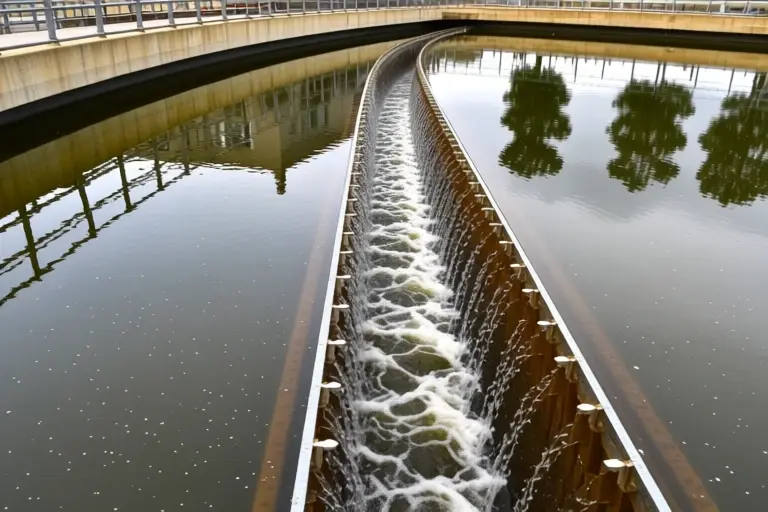
For the wastewater treatment sector, September often brings fluctuations in inflow volume and characteristics due to seasonal rainfall and changing temperatures. Decreasing temperatures can slow the metabolic activity of microorganisms (activated sludge), potentially reducing the efficiency of nitrogen and phosphorus removal.
Key Water Quality Parameters & Monitoring:
- Dissolved Oxygen: The heart of the aerobic treatment process, requiring optimal levels in aeration basins for efficient pollutant degradation by microbes.
- MLSS & Sludge Concentration: Key indicators for assessing the quantity and activity of activated sludge.
- COD/Ammonia/Total Phosphorus: Real-time monitoring of these key inlet and effluent parameters is direct evidence of treatment efficiency and compliance.
- Oxidation-Reduction Potential: Crucial for controlling anaerobic/anoxic processes.
Utilizing high-precision, low-maintenance online water quality sensors, wastewater treatment plants can optimize aeration, precisely control recycling ratios, and manage sludge wasting. This not only ensures stable, compliant effluent but also significantly reduces energy consumption and operational costs, achieving refined, energy-efficient management.
Conclusion
Whether ensuring stable output in aquaculture or enhancing the efficiency and sustainability of wastewater treatment, real-time, accurate water quality data is the foundation for scientific decision-making. LuminSens is committed to providing reliable and intelligent water quality monitoring solutions, safeguarding global water environment management with advanced sensing technology.