How to Choose the Best Free Chlorine Tester for Your Needs?
Choosing the right Free Chlorine Tester can be a daunting task. Experts emphasize the importance of accuracy and ease of use. Dr. Jane Thompson, a leading authority in pool chemistry, states, “The right tester makes all the difference in maintaining water quality.”
There are various options in the market, each with distinct features. Some testers offer digital readings, while others rely on colorimetric methods. Understanding your needs is vital for making an informed decision. Many people overlook maintenance costs, which can impact long-term satisfaction.
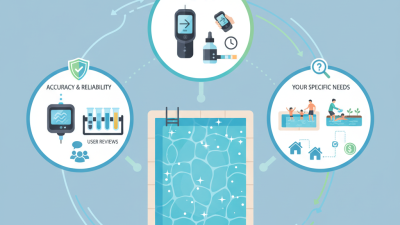
Consider how often you'll test your water. Occasional users may prefer affordable, simple testers. Regular testers might require more advanced options for precise readings. Ultimately, the best Free Chlorine Tester balances performance and usability, aligning with individual needs.
Understanding Free Chlorine Testers: An Overview
When it comes to maintaining pool water quality, free chlorine testers play a crucial role. These tools measure the amount of free chlorine in the water, which helps ensure effective sanitation. In essence, the right tester can make a noticeable difference in your pool's hygiene. Understanding how these testers work is important for anyone responsible for water maintenance.
Free chlorine testers come in various forms, including test strips, liquid kits, and electronic devices. Test strips are user-friendly and provide immediate results. However, they may lack accuracy compared to liquid kits. Liquid kits involve several steps for testing, which can be overwhelming for beginners. Electronic devices offer advanced features but are typically more expensive and can be prone to errors if not calibrated correctly.
Selecting the right tester involves thoughtful consideration. Assess how often you will test the water. For casual users, a simple strip may suffice. Regular pool owners may prefer a more precise liquid kit. Always consider the ease of use and the reliability of the results. Testing should fit seamlessly into your routine. Balancing convenience, accuracy, and your personal experience can help guide your choice for maintaining optimal water quality.
Key Features to Consider When Selecting a Chlorine Tester
When selecting a chlorine tester, several key features should guide your decision. Accuracy is paramount. According to the Pool & Spa Association, a tester with a precision rating of ±0.1 ppm is optimal for most residential applications. This level of accuracy ensures you can maintain safe water conditions. Make sure to check the calibration requirements, as this can impact long-term reliability.
Moreover, consider the type of testing method used. Colorimetric testing is widely accepted and easy to understand. However, digital testers provide precise readings without guesswork. Reports indicate that digital testers offer results that are 20% more consistent than colorimetric alternatives. This can be particularly beneficial if you manage multiple pools or spas.
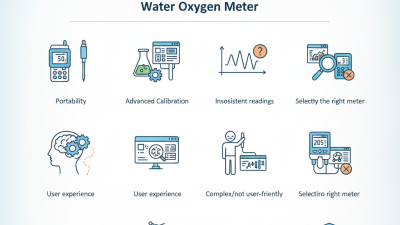
Portability is another factor. Look for testers that are compact and lightweight. This makes it easier to conduct tests in various locations. Also, a user-friendly interface is essential. Even advanced testers must be intuitive for effective use. Testing chlorine levels should not feel overwhelming. Each user’s convenience matters, especially when ensuring safe water standards.
How to Choose the Best Free Chlorine Tester for Your Needs? - Key Features to Consider When Selecting a Chlorine Tester
| Tester Type |
Measurement Range (ppm) |
Accuracy |
Ease of Use |
Price ($) |
| Digital Test Kit |
0.1 - 10 |
±0.1 |
Very Easy |
50 |
| Test Strips |
0 - 5 |
±0.5 |
Easy |
15 |
| Liquid Reagent Kit |
0 - 10 |
±0.3 |
Moderate |
25 |
| Color Comparator |
0 - 10 |
±0.2 |
Fairly Easy |
20 |
| Smartphone Testers |
0 - 5 |
±0.1 |
Very Easy |
70 |
Comparing Different Types of Free Chlorine Testers
When choosing a free chlorine tester, understanding the various types available is crucial. Test strips are common and user-friendly. They provide quick results and are great for simple testing. However, they may lack precision. For more accuracy, liquid reagents are often recommended. This method involves mixing samples with chemicals to produce color changes. While it requires more steps, the results are typically more reliable.
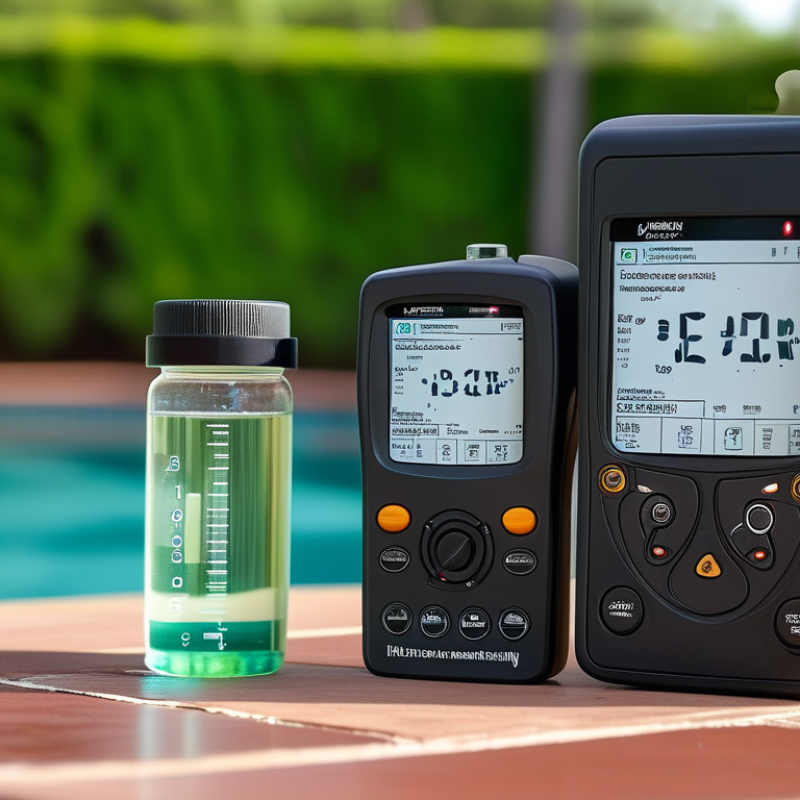
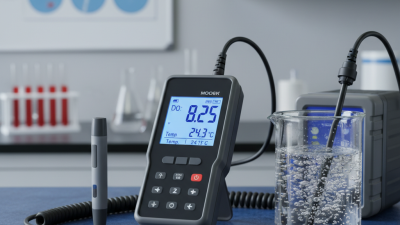
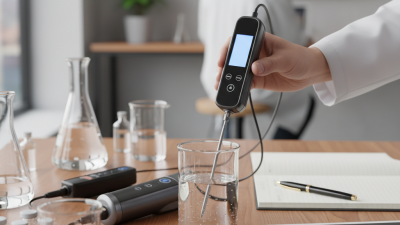
Digital testers have gained popularity thanks to their convenience and accuracy. They often feature a visual display, making it easy to read results. However, keeping a digital tester calibrated is essential for reliable measurements. Also, consider the maintenance involved. Choosing a tester with long-lasting components can save time and effort.
Each type has its advantages and limitations. Test strips might not detect low levels effectively. Liquid tests can be messy. Digital testers may need battery replacements. Reflecting on these factors, consider your testing needs, frequency, and environment. Your choice should align with the level of accuracy you require and how comfortable you are with testing procedures.
Comparison of Different Types of Free Chlorine Testers
Tips for Accurate Testing of Free Chlorine Levels
When testing free chlorine levels, accuracy is crucial. Proper methods ensure safe water conditions. Here are some tips to enhance your testing experience.
Choose the right time. Test your water in the morning. Sunlight can alter chlorine levels. This simple act ensures more reliable results.
Rinse your testing device with pool water first. This removes contaminants that might skew your reading. Always follow the manufacturer’s instructions carefully.
Make regular checks a routine. Daily testing keeps track of fluctuations. It’s easy to overlook changes, but consistency helps maintain balance.
After testing, store your tester properly and out of direct sunlight. This preserves its functionality. Learning from mistakes can be valuable, so review your results and adjust your methods as needed.
Maintenance and Calibration of Chlorine Testing Equipment
Maintenance and calibration are crucial for accurate chlorine testing. Regular checks help ensure reliable results. Improper maintenance can lead to erroneous readings, risking water quality and safety. Keep your testing equipment clean and store it properly. Follow the manufacturer's guidelines closely for maintenance intervals.
It's beneficial to calibrate your tester regularly. Calibration ensures that your device provides the correct measurements. A simple calibration process typically involves using a known standard. This step will help identify potential discrepancies in readings. Checking calibration every few months is wise, especially if the tester is used frequently.
Tips:
- Always refer to the user manual for specific maintenance routines.
- Check the expiration date of reagents and chemicals.
- Keep a maintenance log. Documenting each service can highlight patterns over time. Reflecting on these can lead to better upkeep practices.





 Contact WhatsApp
 Contact Phone
 Contact Email