What is a Water Current Meter and How Does It Work?
Water currents are vital to understanding aquatic ecosystems. Accurate measurement of these currents is crucial in various fields, from marine biology to civil engineering. Experts agree on the importance of using a reliable tool known as a "Water Current Meter." As Dr. Emily Carter, a leading researcher in hydrodynamics, once stated, "A precise water current meter is key to unlocking the mysteries of our waterways."
A Water Current Meter measures the speed and direction of water flow. It is essential for studying river systems, oceanography, and environmental monitoring. The technology behind these devices has evolved significantly. Some models now offer real-time data, enhancing their usefulness in research and applications.
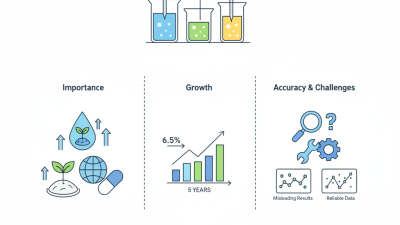
Despite this advancement, challenges remain. The calibration of water current meters can be tricky and may affect their accuracy. Users must ensure they are familiar with the device settings and environmental factors. A small oversight can lead to inaccurate readings, potentially skewing research findings. Therefore, understanding both the capabilities and limitations of a Water Current Meter is essential for effective and reliable data gathering.
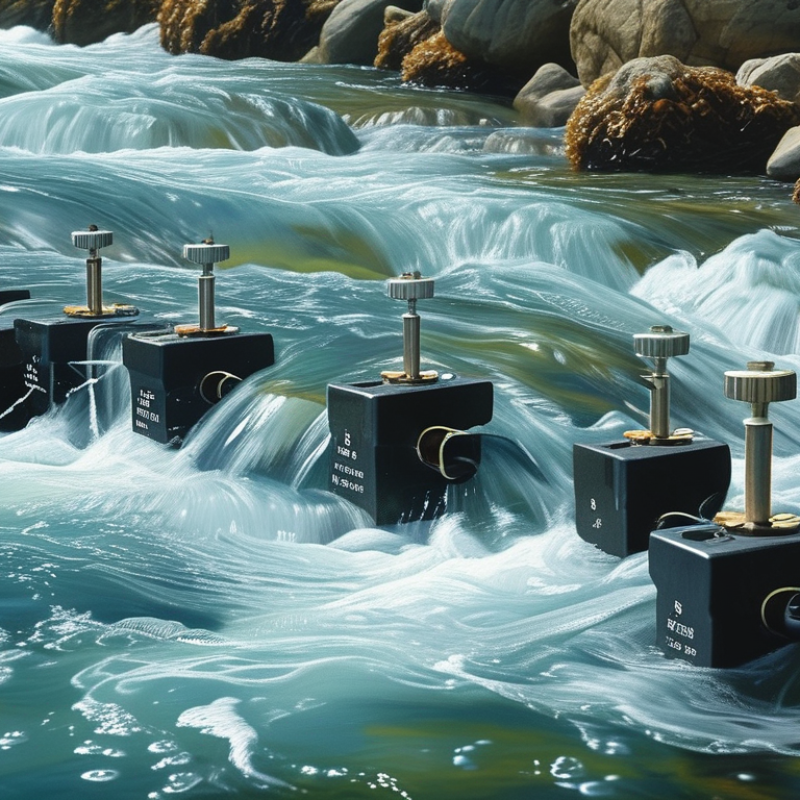
What is a Water Current Meter?
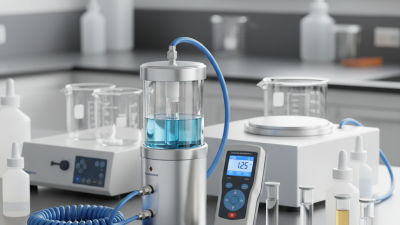
A water current meter is an essential tool for measuring the speed and direction of flowing water. It’s used in various fields, such as hydrology, environmental studies, and civil engineering. Understanding how water currents behave is crucial for managing water resources and conducting scientific research.
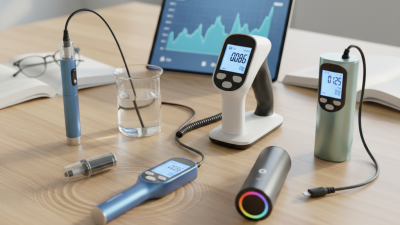
These devices come in various designs, including mechanical and electronic types.
A mechanical water current meter often features a rotor that spins as water flows. The speed of the rotor is directly proportional to the water velocity.
Conversely, electronic meters utilize sensors to measure flow rates with greater accuracy. This technology allows for real-time data collection, making analysis more efficient.
However, accuracy can be affected by factors such as turbulence and debris in the water. In certain environments, these challenges can lead to erroneous readings. Thus, calibration and routine checks are necessary to ensure reliable results. Researchers and engineers must remain vigilant about these potential pitfalls.
Even expert analysts may struggle with inconsistent data.
Types of Water Current Meters and Their Applications
Water current meters are essential tools for measuring flow velocities in various bodies of water. These instruments come in different types, each designed for specific applications.
One common type is the electromagnetic current meter. This meter uses electromagnetic principles to gauge water velocity. It's especially effective in rivers and large lakes, where precise readings are crucial for environmental monitoring. A study from the U.S. Geological Survey indicates that accurate measurements can improve water resource management significantly.
Another popular option is the acoustic Doppler current profiler (ADCP). This device employs sound waves to determine water speed and direction. ADCPs are widely used in marine environments and can map currents over a range of depths. They provide essential data for navigation, flood prediction, and scientific research.
Tips: When choosing a water current meter, consider the environment where you'll use it. Different meters perform better in varying conditions. Regular calibration is necessary to maintain accuracy. Check for user reviews and studies that highlight the effectiveness of the device in real-world situations.
What is a Water Current Meter and How Does It Work? - Types of Water Current Meters and Their Applications
| Type of Water Current Meter |
Description |
Typical Applications |
Advantages |
| Mechanical Current Meter |
Uses a rotating element to measure the flow velocity. |
River and stream gauging, water quality assessment. |
Durable design, well-suited for field use. |
| Acoustic Doppler Current Profiler (ADCP) |
Measures water velocity using sound waves. |
Marine studies, sediment transport analysis. |
Can measure velocity profiles across different depths. |
| Electromagnetic Current Meter |
Utilizes electromagnetic induction to measure flow rates. |
Flood monitoring, irrigation management. |
High accuracy over a wide range of flow rates. |
| Turbine Current Meter |
Measures velocity using a turbine that spins with flowing water. |
Hydropower studies, water resource management. |
Simple installation and reliable under various conditions. |
| Optical Current Meter |
Uses light sensors to detect changes in flow velocity. |
Environmental monitoring, research studies. |
Non-intrusive and suitable for sensitive areas. |
Principles of Measuring Water Flow with Current Meters
Water current meters are essential tools for measuring the flow of water in various environments, including rivers, lakes, and tidal areas. They work on principles that harness fluid dynamics to quantify flow velocity and volume. By using the mechanical properties of water, these instruments provide accurate readings that are vital for ecological studies, infrastructure planning, and flood management.
The principle behind current meters often involves rotating blades or impellers. When water flows past these components, they rotate at a speed proportional to the water's velocity. According to a report by the American Society of Civil Engineers, current meters can achieve accuracy within 3% for flow rates ranging from 0.1 to over 5.0 meters per second. This dynamic measurement technique helps engineers make informed decisions based on real-time data.
However, challenges exist in utilizing current meters effectively. Calibrating and maintaining these devices is crucial yet often overlooked. Factors like sediment load and turbulence can influence readings, leading to potential errors. A study published in the Journal of Hydrology highlighted that improper calibration could result in up to 25% discrepancies in flow measurements. Understanding these limitations is essential for researchers and engineers alike.
How to Install and Calibrate a Water Current Meter
Installing and calibrating a water current meter requires careful attention to detail. Start by selecting a suitable location. The site should have consistent water flow. Ensure the meter is submerged properly to capture accurate data. Place it at varying depths to get a good representation of the current. Use markers to track the installation position.
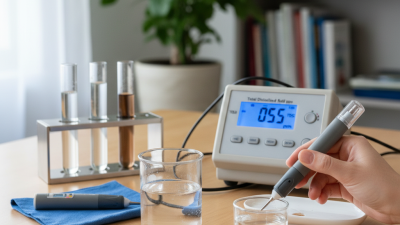
Calibration is essential for reliable readings. Follow the manufacturer’s guidelines closely. It’s crucial to test the meter in controlled conditions. Record the meter's response to different flow rates. Adjust settings based on your findings. Keeping a log of these tests helps identify any issues. Regular calibrations ensure continued accuracy. Monitoring changes in the environment can also affect readings, so be vigilant.
Mistakes can happen. Sometimes, users forget to adjust the meter after relocation. Other times, they may overlook the effects of debris or sediment. Stay observant and adjust your approach as needed. This hands-on experience adds to your understanding. Engaging with the process builds confidence and reliability in your results.
Interpreting and Analyzing Data from Current Meters
Interpreting and analyzing data from water current meters involves understanding the unique characteristics of local waterways. These meters provide critical insights into flow speed and direction. Accurate data allows researchers to assess environmental conditions. According to a report by the U.S. Geological Survey (USGS), the average river flow can vary significantly across different regions, emphasizing the need for precise measurements.
When interpreting data, factors such as temperature, sediment load, and seasonal variations must be considered. For instance, the effectiveness of a current meter can be compromised during high sediment events. A 2021 study highlighted that sediment transport can alter readings by up to 25%. This illustrates the challenges faced by hydrologists when relying solely on instrument readings.
Moreover, the analysis process itself may introduce uncertainties. Data validation is crucial but difficult. Automated systems might miss anomalies, leading to misinterpretations. In complex environments, human oversight plays a significant role. It’s essential to combine various data sources for a clearer picture, ensuring the reliability of conclusions drawn from current meter readings.
Water Current Meter Data Analysis





 Contact WhatsApp
 Contact Phone
 Contact Email