What is Water pH Sensor and How Does It Work?
Water pH sensors play a crucial role in monitoring water quality. These devices measure the acidity or alkalinity of water, providing essential data for various applications. Effective water management relies heavily on accurate pH measurements.
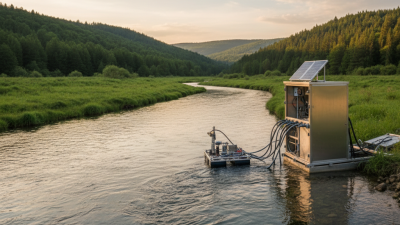
In industries, water pH sensors are vital. They ensure processes run smoothly, preventing equipment damage. Aquatic environments also benefit from these sensors, helping maintain a balanced ecosystem. Yet, the precision of these sensors can vary, inviting reflection on their calibration and maintenance.
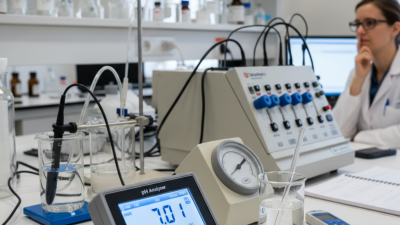
Understanding how water pH sensors operate can lead to better usage. They typically consist of a sensitive electrode and a reference electrode. This functionality is important for achieving reliable results. Despite their reliability, users should remain aware of potential inaccuracies due to factors like temperature or contamination.
What is a Water pH Sensor?
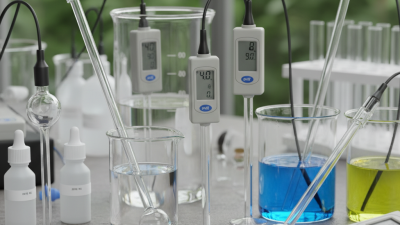
A water pH sensor is a device that measures the acidity or alkalinity of water. It provides crucial information for various applications, including aquaculture and hydroponics. Understanding pH levels helps ensure that aquatic environments remain healthy.
These sensors work by using glass electrodes that respond to hydrogen ion concentration. When placed in water, the electrode generates a voltage that corresponds to the pH level. Accurate readings are essential. However, environmental factors can complicate measurements. For instance, temperature fluctuations may affect sensor performance. Regular calibration and maintenance are necessary to ensure reliability.
Users of pH sensors often encounter challenges. Sensor drift may occur over time, leading to inaccurate results. Implementing a proper monitoring routine can mitigate this issue. However, finding the right balance between maintenance and usability can be tricky for beginners. Water quality assessment requires diligence and a willingness to learn from one's errors.
The Importance of Measuring Water pH Levels
Monitoring water pH levels is crucial for various industries. The pH level indicates how acidic or alkaline the water is. It influences chemical reactions, aquatic life, and even human health. According to the U.S. Environmental Protection Agency (EPA), ideal pH levels for drinking water range from 6.5 to 8.5. Deviations can lead to health risks and environmental issues.
Many agricultural practices rely on precise pH measurements. Soil and water pH affect nutrient availability. Research shows that crops like tomatoes thrive at a pH of around 6.0 to 6.8. If pH strays from this range, crop yields may decline significantly. Interestingly, a 2020 report revealed that nearly 30% of farmers experience issues due to incorrect pH levels. This highlights the need for reliable pH sensors.
Aquaculture is another critical area where pH matters. Fish like salmon require specific pH levels for optimal growth. A study indicated that deviations beyond optimal pH ranges can cause stress in fish. This stress leads to disease and reduced growth rate. Ensuring proper pH monitoring could enhance fish production, yet many farms still lack adequate measurement tools. This gap in technology creates challenges for both sustainability and productivity in the industry.
How Water pH Sensors Function Mechanically
A water pH sensor measures the acidity or alkalinity of water. It is essential for many applications, including aquaculture and wastewater management. This sensor typically features an electrode that reacts chemically with hydrogen ions in the water. As these ions interact with the electrode, they generate a voltage. This voltage correlates to the pH level, allowing the sensor to provide real-time measurements.
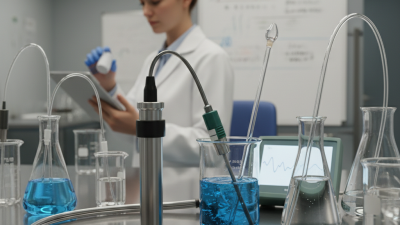
Mechanically, water pH sensors have several components. The glass electrode, for example, is a critical element. It has a thin glass membrane that changes its electrical potential based on the water's pH. The reference electrode helps maintain a stable voltage, ensuring accurate readings. Some sensors also feature temperature compensation to enhance precision.
Tips: Regular calibration is vital for accurate readings. Use pH buffer solutions during calibration for best results. It’s also recommended to clean the sensor regularly, as residues can affect measurements. If a sensor fails, check for clogging or damage to the electrode. Proper maintenance extends the sensor’s lifespan while improving reliability.
Different Types of Water pH Sensors Available
Water pH sensors play a crucial role in monitoring water quality across various applications. The market offers several types of pH sensors, each designed to meet specific needs. For instance, glass electrode sensors are widely used because of their accuracy. They consist of a glass membrane that responds to hydrogen ions in solution. According to industry reports, these sensors are known for their precision within a pH range of 0 to 14.
Another popular option is the ISFET (Ion-Sensitive Field-Effect Transistor) sensor. This type features a solid-state design, making it more robust than glass sensors. ISFET sensors are praised for their quick response times, but they may require more frequent calibration. In many cases, users have reported variability in readings under different temperature conditions. Hence, attention to calibration is essential for reliable measurements.
Finally, there are combined pH probes that integrate temperature sensing. These sensors help account for the effects of temperature changes on pH readings. A study by the American Water Works Association (AWWA) highlighted that combined probes provide more accurate data, particularly in dynamic environments. However, they may also present affordability challenges for small-scale operations. Understanding these types is vital for anyone involved in water quality monitoring.
Applications of Water pH Sensors in Various Industries
Water pH sensors play a crucial role in various industries, from agriculture to pharmaceuticals. In agriculture, maintaining optimal soil pH is vital for healthy crop production. Studies indicate that a pH level between 6 and 7 promotes nutrient availability. Farmers increasingly rely on real-time monitoring, using pH sensors to adjust soil conditions precisely. This has been linked to up to 20% yield improvement in some cases.
In the water treatment sector, these sensors ensure compliance with environmental regulations. According to recent reports, maintaining a pH of 6.5 to 8.5 in treated water is essential for public health. Operating within this range reduces heavy metal toxicity and improves chemical effectiveness during purification processes. However, challenges remain. Some systems may not respond swiftly to rapid pH fluctuations, leading to potential compliance issues.
The food and beverage industry also depends on pH monitoring. For instance, fermentation processes require strict pH control to ensure product quality. A slight deviation can spoil an entire batch, leading to significant financial losses. This underlines the importance of having reliable and accurate sensors. However, the installation costs can be high, and not all facilities can afford top-of-the-line equipment, which raises questions about accessibility in smaller operations.





 Contact WhatsApp
 Contact Phone
 Contact Email