What is the Best Ec Measuring Device for Your Needs?
When it comes to selecting the best Ec measuring device for your needs, understanding the purpose is crucial. Ec, or electrical conductivity, plays a key role in various fields, including agriculture and water quality testing. A reliable Ec measuring device can provide accurate readings. This data is vital for making informed decisions about crop management or water treatment.
Investing in the right device can feel overwhelming. Many options are available, each with distinct features. Some devices may excel in portability, while others focus on advanced metrics. Evaluating your specific requirements is essential. Consider factors such as measurement range, response time, and ease of use. This reflection can guide your choice effectively.
By understanding your needs, you ensure that your Ec measuring device meets your expectations. It is beneficial to seek expert opinions or user reviews. These insights often highlight strengths and weaknesses that may not be immediately visible. Choosing wisely can lead to better outcomes in your projects and investments.
Understanding EC Measuring Devices: A Comprehensive Overview
When selecting an EC measuring device, it's essential to understand its functionality and suitability for specific purposes. EC, or electrical conductivity, indicates the nutrient levels within a solution. Accurate measurement ensures optimal plant growth or effective water treatment. However, not all devices offer the same precision or user experience.
Many EC meters come with varying features. Some are simple and affordable, while others provide advanced options. Users often struggle with calibrating these devices. Calibration is vital for trust in the readings. Without reliable calibration, data can be misleading. It's often a source of frustration when devices don't perform as expected.
Education about EC meters is also paramount. Users should familiarize themselves with their operating range and refresh rates. A device that works well for one situation might falter in another. Expensive devices don’t always guarantee accuracy. Consider practical use cases and reviews from peers. Seek real-world feedback to avoid common pitfalls. Understanding these aspects can lead to more informed decisions.
What is the Best Ec Measuring Device for Your Needs?
| Device Type |
Measurement Range |
Accuracy |
Features |
Price Range ($) |
| Portable EC Meter |
0 - 200 mS/cm |
±0.01 mS/cm |
Calibration function, digital display |
50 - 150 |
| Pen EC Tester |
0 - 9990 µS/cm |
±1% of reading |
Auto-off, lightweight |
15 - 40 |
| Tabletop EC Meter |
0 - 20 mS/cm |
±0.005 mS/cm |
Data logging, Bluetooth connectivity |
200 - 500 |
| Inline EC Sensor |
0 - 5 mS/cm |
±0.01 mS/cm |
Real-time monitoring, industrial application |
300 - 800 |
Types of EC Measuring Devices and Their Applications
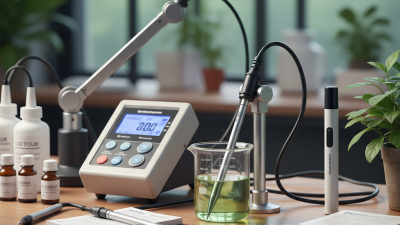
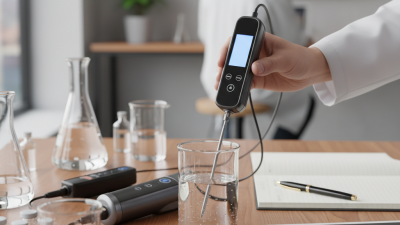
When choosing an EC measuring device, understanding different types is crucial. Conductivity meters range from handheld models to advanced laboratory devices. They measure the electrical conductivity of solutions, which indicates nutrient concentration. These meters are vital in agricultural settings, hydroponics, and aquaculture. Make sure to consider the specific needs of your application when selecting.
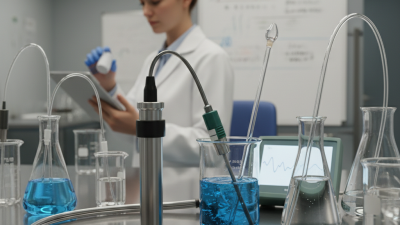
Another common type is the EC probe. These probes can be integrated into larger systems for continuous monitoring. They are often used in water treatment facilities and environmental research. Having real-time data on conductivity helps in ensuring optimal water quality. Choose probes that are easy to calibrate for consistent accuracy.
Tips: Regular maintenance is key. Clean and calibrate your devices frequently for best results. Consider the environment where the device will be used. High levels of humidity or extreme temperatures can affect measurements. Not every device will work seamlessly in all conditions, so evaluate your surroundings carefully.
Factors to Consider When Choosing an EC Measuring Device
When selecting an EC measuring device, several factors are crucial. First, consider the range of the device. Different applications may require high or low conductivity readings. A device with a wider range offers more versatility. Think about your specific needs. Are you monitoring hydroponics or soil? This choice impacts the range required.
The calibration frequency is another important aspect. Some devices need frequent recalibration. Others maintain accuracy longer. A reliable device saves time and effort. Check how easily it can be calibrated. User-friendly calibration processes can be beneficial, especially for beginners.
Another point to ponder is the design and durability. Some devices are portable and lightweight. Others are rugged, designed for harsh conditions. Consider where you will use it. Will it be in a lab or an outdoor environment? The right choice can enhance your experience and provide accurate readings. Keep these factors in mind to find a fitting device for your needs.
EC Measuring Device Comparison
Comparison of Popular EC Measuring Devices on the Market
When selecting an EC measuring device, understanding the options available is crucial. There are several popular devices on the market, each catering to different needs. Some models focus on simplicity, providing clear readings without complex settings. Others are more advanced, offering features like data logging and Bluetooth connectivity. The complexity of features often reflects the price.
Users should consider how often they will use the device. For casual users, a basic model may suffice. However, experienced growers who demand precision may find value in a more sophisticated device. Calibration methods can vary significantly. Some devices need regular calibration, while others are more user-friendly. It’s worth noting that frequent calibration can lead to discrepancies in readings if not done correctly.
In choosing the right device, pay attention to accuracy and reliability. Look at user reviews and expert recommendations. Each device has its strengths and weaknesses, which can impact your results. A device that works well for one individual may not suit another's specific needs. Thus, thorough research is vital before making a decision.
Maintaining and Calibrating Your EC Measuring Device for Accurate Results
Maintaining and calibrating your EC measuring device is crucial for accurate readings. Regular calibration ensures your device functions correctly. It’s essential to follow the manufacturer’s guidelines for calibration frequency. If neglected, readings may drift over time.
Check the calibration solution’s expiration date before use. Fresh solutions provide reliable reference points. Ensure the temperature of the solution matches the device's requirements. This influences accuracy. After calibration, recheck the device to confirm it’s within acceptable limits.
Additionally, clean the probe regularly. Residue buildup can affect readings. Soft, lint-free cloths work well for this purpose. Store the device in a protective case to prevent damage. A little care goes a long way in maintaining accuracy.
Reflect on your practices. Are there improvements you can make in your calibration routine?





 Contact WhatsApp
 Contact Phone
 Contact Email