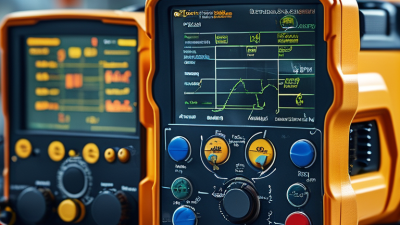
How to Choose the Best Free Chlorine Tester for Your Needs?
When it comes to maintaining a safe and clean swimming pool or spa, using a reliable Free Chlorine Tester is essential. These testers help ensure that the water has an appropriate level of chlorine, which is crucial for sanitation. Many options exist, each with unique features. However, choosing the best one for your needs can be overwhelming.
Consider your specific requirements before purchasing a Free Chlorine Tester. Do you swim frequently, or is this for occasional use? The frequency of testing will influence your choice. Some testers provide quick results and are user-friendly, while others may offer more comprehensive insights but require a learning curve.
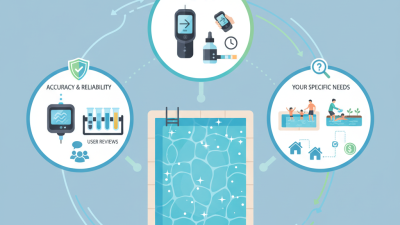
Look for testers that are backed by expert reviews and customer feedback to ensure reliability. Although many testers exist on the market, not all are created equal. It’s vital to weigh the pros and cons, even if it takes time to find the right one. Finding a balance between accuracy, ease of use, and cost-effectiveness is key.
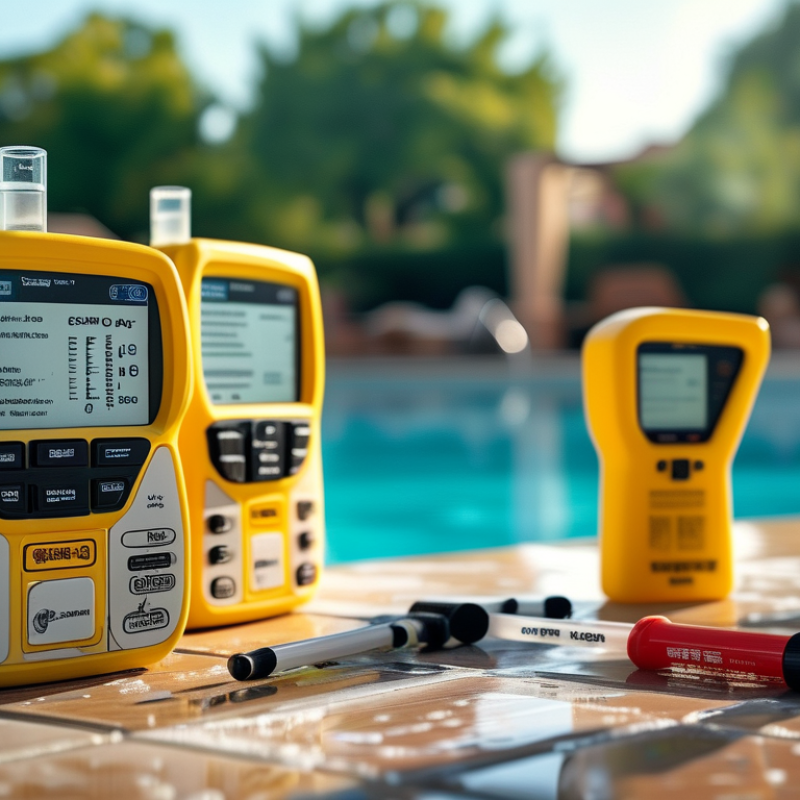
Understanding Free Chlorine and Its Importance in Water Testing
Free chlorine is a critical component in water quality management. It serves as a disinfectant, effectively killing bacteria and other pathogens. According to the Environmental Protection Agency (EPA), maintaining a free chlorine concentration of 1-3 ppm (parts per million) in drinking water is essential for safety. Insufficient levels can lead to microbial growth, which poses health risks. Regular testing helps ensure that these levels are maintained.
Understanding the importance of free chlorine extends beyond basic safety. Studies indicate that water with optimal free chlorine levels enhances taste and odor, leading to better consumer satisfaction. Chlorine's effectiveness can diminish with factors like pH levels and temperature. A reliable free chlorine tester can assess these levels accurately, assisting in maintaining water quality.
Many people overlook the simplicity of water testing. A basic understanding of free chlorine testing can demystify the process. It’s vital to choose a tester suitable for your specific needs. Consider precision, cost, and ease of use. Remember, a tool is only as reliable as the knowledge of the person using it. Reflections on past testing experiences can guide better choices in the future.
Types of Free Chlorine Testers Available in the Market
When selecting a free chlorine tester, understanding the types available is crucial. Many products promise accuracy and ease of use, but they do vary significantly in functionality. Broadly, testers can be categorized into liquid reagents, test strips, and digital meters. Each type has unique advantages and disadvantages.
Liquid reagent testers are popular for their precise measurements. They require a few drops of solution to determine chlorine levels. However, they can be time-consuming, often taking several minutes to get results. Test strips, on the other hand, offer convenience. They provide results in under a minute, but their accuracy diminishes with age and improper storage. According to a study from the Pool and Spa Association, accuracy rates can drop by 20% when strips are not stored correctly.
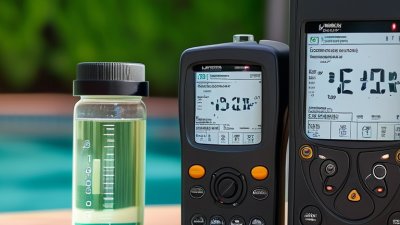
Digital testers represent the pinnacle of technology. They provide quick, precise readings and often display results on an easy-to-read screen. However, they can be expensive and may require calibration. A report by the American Water Works Association highlights that while digital devices can be up to 95% accurate, they are only as good as the user's understanding of how to calibrate them correctly. Users must consider their specific needs and setup before committing to a tester type. Understanding these nuances ensures a more informed decision that best suits individual water quality testing needs.
Key Features to Look for in a Free Chlorine Tester
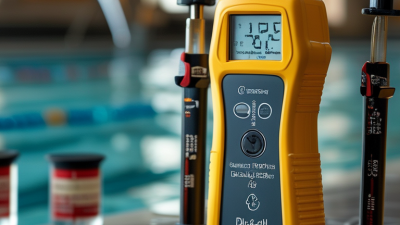
When selecting a free chlorine tester, consider several key features that enhance usability and accuracy. A clear and easy-to-read display is essential. Look for testers that offer both digital and analog readings. This ensures you can quickly assess chlorine levels without straining your eyes. Additionally, portability matters. Choose a compact design that can easily fit in your pool maintenance kit.
Accuracy is paramount. Some testers use advanced sensors that enhance precision. These devices may require calibration, adding complexity. However, they provide reliable results. Consider testers with a quick response time. Waiting too long for results can be frustrating, especially during busy pool maintenance days.
Battery life is often overlooked but crucial. A tester that drains quickly can disrupt your routine. Opt for models with longer-lasting batteries. Finally, check how easy the tester is to clean. Regular maintenance ensures the device remains functional. A model that is difficult to clean may lead to inaccurate readings over time. Reflect on these points to find the best fit for your needs.
Comparing Accuracy and Ease of Use Among Various Testers
When selecting a free chlorine tester, accuracy and ease of use are paramount. Studies show that the best testers can measure chlorine levels within a variance of +/- 0.2 ppm. This accuracy ensures safe swimming conditions, as regulators recommend maintaining free chlorine levels between 1 to 3 ppm for pools. Less precise testers often lead to misinterpretations that can result in over-chlorination or insufficient sanitation.
Ease of use also plays a crucial role. Some testers utilize simple color comparisons, making them user-friendly for beginners. Data indicates that over 70% of users prefer testers that can deliver results in under a minute. However, certain models may require careful handling, which can be a drawback for novice users. Individuals should consider the environment where they will use the test. Complicated instructions can lead to errors, undermining accuracy.
Many testers come with features like automatic calibration, enhancing reliability. However, it's essential to reflect on whether these features genuinely add value. Some users find these additional components unnecessary, driving up costs. Ultimately, a balance between accuracy, usability, and cost is key to making an informed decision. Choosing the right tester should be a carefully considered process, reflecting both personal needs and industry standards.
Comparing Free Chlorine Testers: Accuracy and Ease of Use
Budget Considerations: Finding the Right Tester for Your Needs
Finding the right free chlorine tester within your budget can be challenging. Various models offer different features and price points. It's important to understand your specific needs before making a purchase. A basic kit might suffice for home use. If you manage a pool or spa, invest in a more advanced model for accurate results.
Consider the accuracy and ease of use. Some testers are designed for quick readings, which can influence their price. Digital testers often cost more compared to strip tests. Keep in mind that cheaper options may require frequent replacements. Durability is another factor that often ties to cost. A reliable tester can save you money in the long run.
To narrow down your options, know how often you'll be testing. If you test regularly, consider spending more for a quality product. Analyze user reviews to see real-world experiences. Sometimes, a tester's reputation doesn't match its performance. Always balance your budget with the essential features you require. For frequent users, investing a bit more could lead to greater accuracy and fewer headaches.





 Contact WhatsApp
 Contact Phone
 Contact Email